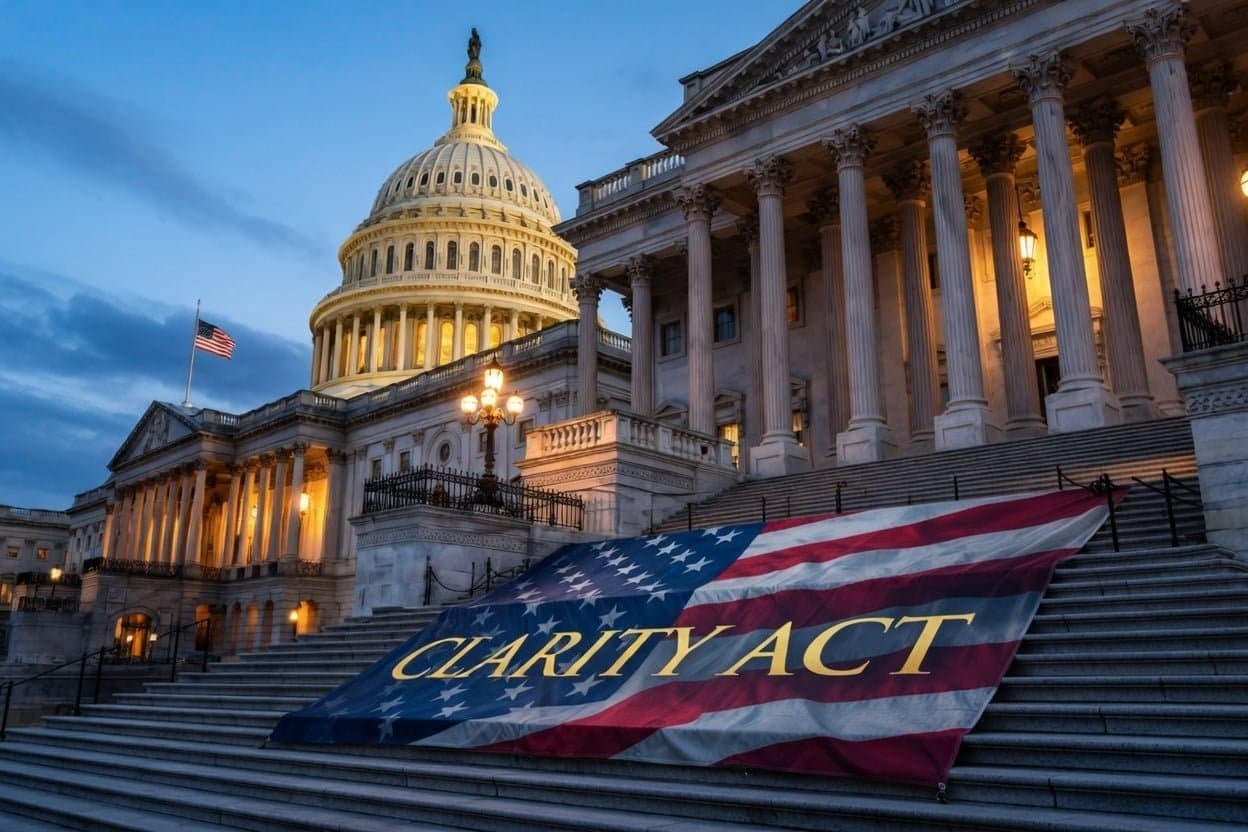
Anthony Scaramucci recently voiced his endorsement of the Clarity Act, highlighting it as a significant step forward compared to the current unregulated crypto environment in the US. Although not flawless, he called the bill a practical improvement over the unpredictable and uneven oversight that the digital asset market currently endures.
The founder of SkyBridge Capital emphasized that after long negotiations, both political parties have shifted their stances, making it vital for industry players and lawmakers to rally behind this compromise instead of dismissing it due to unmet demands. On social media, Scaramucci criticized Washington’s contradictory attitude: many call for compromise but refuse to accept it once it materializes.
Ethics Provisions Under Scrutiny
The Clarity Act introduces ethics guidelines designed to restrict federal officials, including the president and vice president, from profiting through issuing or endorsing digital assets while in office. However, some Senate Democrats, including Senator Elizabeth Warren, argue these safeguards fall short. Warren specifically points out gaps in addressing conflicts linked to former President Trump's crypto business ventures. also a group of seven Democratic senators has raised concerns about consumer protection, illicit finance controls, and ethics enforcement under the bill.
Reaching 60 votes in the Senate to override a filibuster remains a challenge. Debate continues over the strength of enforcement powers, investor safeguards, and rules governing public officials' conduct. Senate Majority Leader John Thune signaled ongoing efforts to bridge divisions but acknowledged persistent disagreements.
Scaramucci’s backing and the ongoing debate reflect a broader tension as cryptocurrency regulation approaches a critical crossroads. The legislation’s progress could clarify operational standards for crypto firms and define regulatory roles, but political hurdles stand in the way.