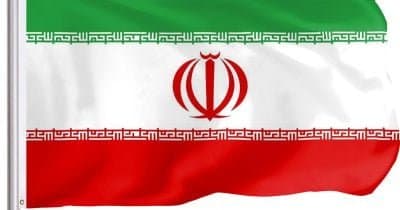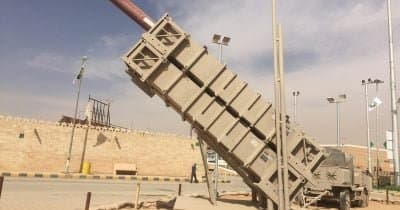
Saudi warplanes struck militia positions in Iraq’s Diyala province, signaling a significant shift in the Middle East’s tangled power struggle. These militias, backed by Iran, have long been a thorn in Riyadh’s side. The Saudi air raids mark a clear step beyond defensive tactics, showing Riyadh’s readiness to confront Iranian influence head-on on Iraqi soil.
The timing is no coincidence. Earlier in 2026, the U.S. and Israel launched attacks on Iranian targets, ramping up tensions that have since drawn multiple countries into a wider conflict. Saudi Arabia’s latest move suggests it’s no longer content to stay on the sidelines but aims to actively shape the battlefield.
This escalation comes with increased risks. Markets have taken note expectations of Iranian retaliation against Gulf states surged sharply ahead of July 30. If Tehran responds militarily, Gulf nations could face more direct confrontations, pushing the region closer to widespread instability.
Saudi Crown Prince Mohammed bin Salman’s decision to authorize strikes points to Riyadh’s strategic priorities. This isn’t just about Iraq; it’s about curbing Iran’s regional ambitions wherever they spread. Iran’s Supreme Leader Ali Khamenei’s reaction in the coming days will be a key signal of how Tehran plans to respond.
The conflict’s expansion into Iraq highlights the growing proxy battle between Saudi Arabia and Iran, with Iraq becoming a frontline for influence and control. Both nations have been jockeying for power through local militias for years, but direct airstrikes shows a dangerous new phase where indirect clashes morph into open confrontation.
This information is for educational purposes and should not be taken as investment advice.