Saudi Arabia’s defense forces intercepted several drones targeting oil facilities in the Eastern Province on July 27. The attacks were traced back to Iran-backed militias operating from Iraqi territory, according to a statement by the kingdom’s Defense Ministry. No oil production was affected, and the strikes did not hit their intended targets.
Maj. Gen. Turki Al-Maliki, spokesperson for the Saudi Defense Ministry, labeled the drone assaults as terrorist acts. Meanwhile, Yemen’s Houthi rebels claimed responsibility specifically for targeting the East-West pipeline, framing their strikes as retaliation against alleged Saudi drone activity in Yemen. The Iraqi government has launched an investigation to determine any involvement of its land as a launch site for these attacks.
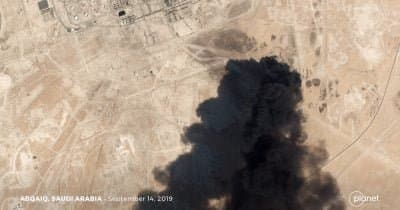
This incident stirred memories of the 2019 Abqaiq attack, which halved Saudi Arabia’s oil output and caused oil prices to surge about 15% in a single day. The region’s geopolitical risks continue to influence global crude markets significantly. These heightened tensions have also affected risk assets beyond energy, trickling down to digital currencies. Since 2019, Bitcoin’s sensitivity to macroeconomic shocks has grown alongside expanding institutional participation, adding another layer of complexity to market reactions.
Material is informational and should not be considered financial advice.