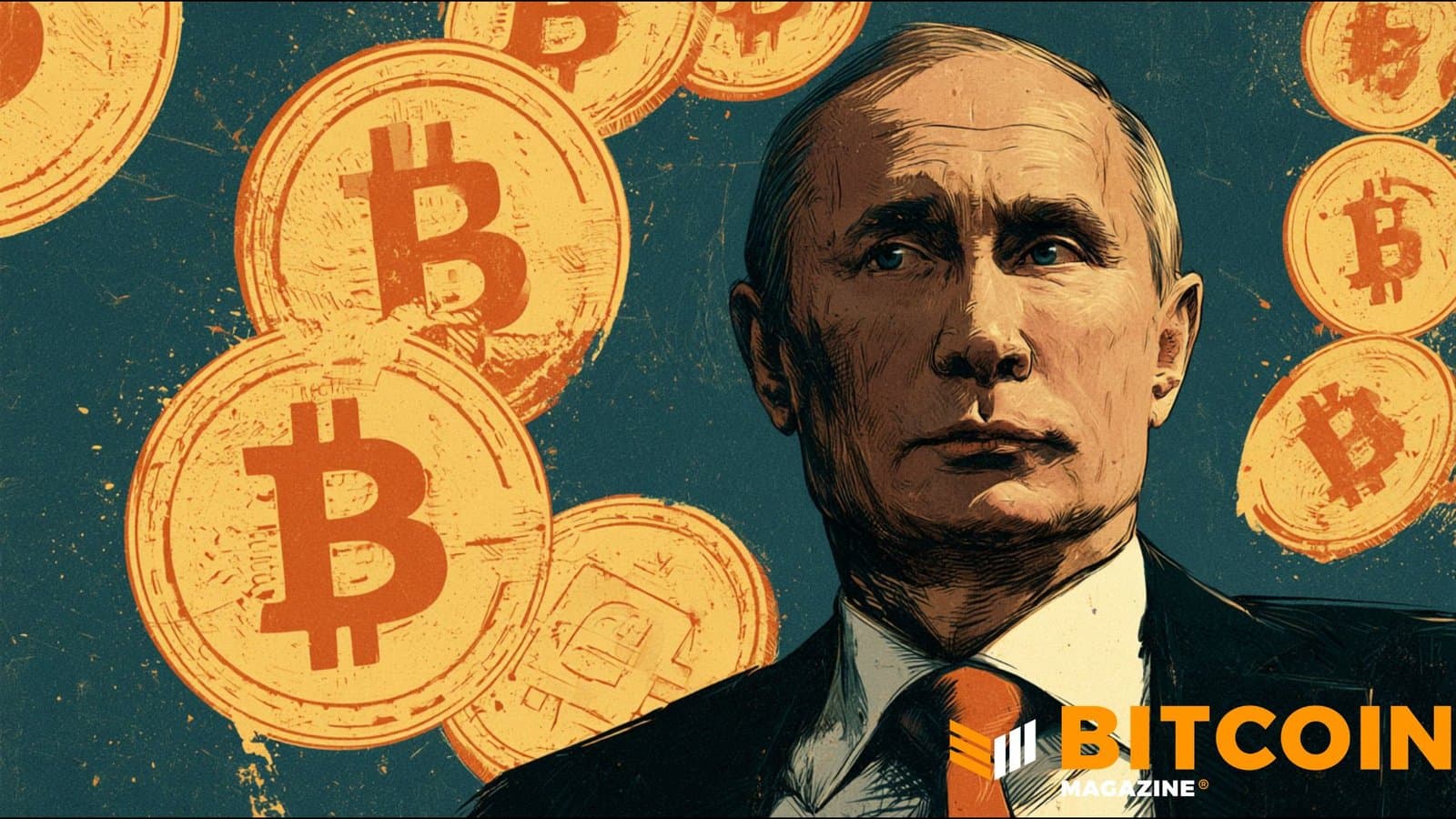
Putin signed off on new regulations for digital assets Tuesday, formalizing rules that treat crypto as a tradeable commodity but nothing more. Citizens can't spend Bitcoin on coffee. They never could since 2022, and the fresh law keeps it that way.
The regulation, reported by Tass, allows only registered exchanges to operate and caps retail investors at 300,000 rubles ($3,700) per year for most liquid cryptocurrencies. Qualified investors face no such limits. Crypto still sits behind an iron curtain as legal tender, though Russians get a narrow corridor for international payments and mining settlements.
The oddity here: Putin himself praised Bitcoin less than two years ago. "Who can ban Bitcoin? Nobody," he said in late 2024, framing it as an emerging technology that could move money across borders. He's talked up Russia's cheap energy costs as a mining edge. Yet lawmakers won the internal tug of war. They want to keep a tight leash on what ordinary people can do with their cash, likely because unrestricted crypto could become another workaround for Western sanctions.
Regulators have spent years trying to draw clear lines around digital assets, and this law is their latest attempt to square a circle: acknowledge crypto exists while ensuring the state controls the door.
This reporting covers policy developments and regulatory announcements. It is not financial advice or a recommendation to trade any asset.