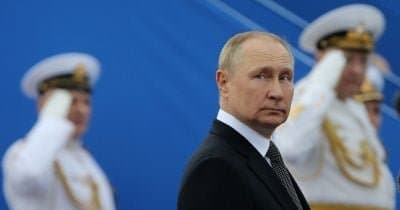
Vladimir Putin just signed a law that does something unusual: it welcomes crypto trading while slamming the door on everyday payments. The move creates a licensed framework for exchanges and digital vaults across Russia, but strictly forbids using cryptocurrencies to buy a coffee, pay rent, or settle any domestic transaction. It's regulatory approval with handcuffs attached.
The Bank of Russia takes the wheel as main regulator, with a three-year runway until July 2027 to get everything operational. Licensed intermediaries can now legally handle buying, selling, and storing digital assets. On paper, this looks like the infrastructure investors have been waiting for. The clarity alone matters: no more gray zones, no guessing whether exchanges will face raids at 3 a.m.
Why Markets Are Shrugging
Bitcoin traders aren't exactly popping champagne. The payment ban is the catch nobody wanted. Institutional players might eventually warm to regulated venues, sure, but retail users get nothing. You can own Bitcoin in Russia now, but you can't actually use it. That split incentive is already showing up in price expectations. Current betting odds on Bitcoin hitting $200,000 by the end of 2026 sit at just 2%, down from where they were before the announcement. Markets are pricing in the idea that without payment adoption, the rally story gets thinner.
The signal is mixed because the law itself is mixed. Regulatory clarity usually draws institutions. Payment bans usually repel them. When you combine both, you get a shrug.
What Happens Next
The real test starts when the Bank of Russia begins issuing licenses. Will exchanges actually apply, or will they stay offshore where users can do whatever they want? Crypto operators have never loved tight regulation, even when it's fair. Meanwhile, watch whether this framework becomes a template for other countries or remains a peculiar Russian experiment. International rules around crypto and cross-border trade could shift the calculus entirely. And if Moscow ever loosens the payment restriction, everything changes at once, which is why traders are keeping one eye on future legislative moves instead of celebrating the framework that exists today.
This material is informational only and does not constitute financial advice or investment recommendations.