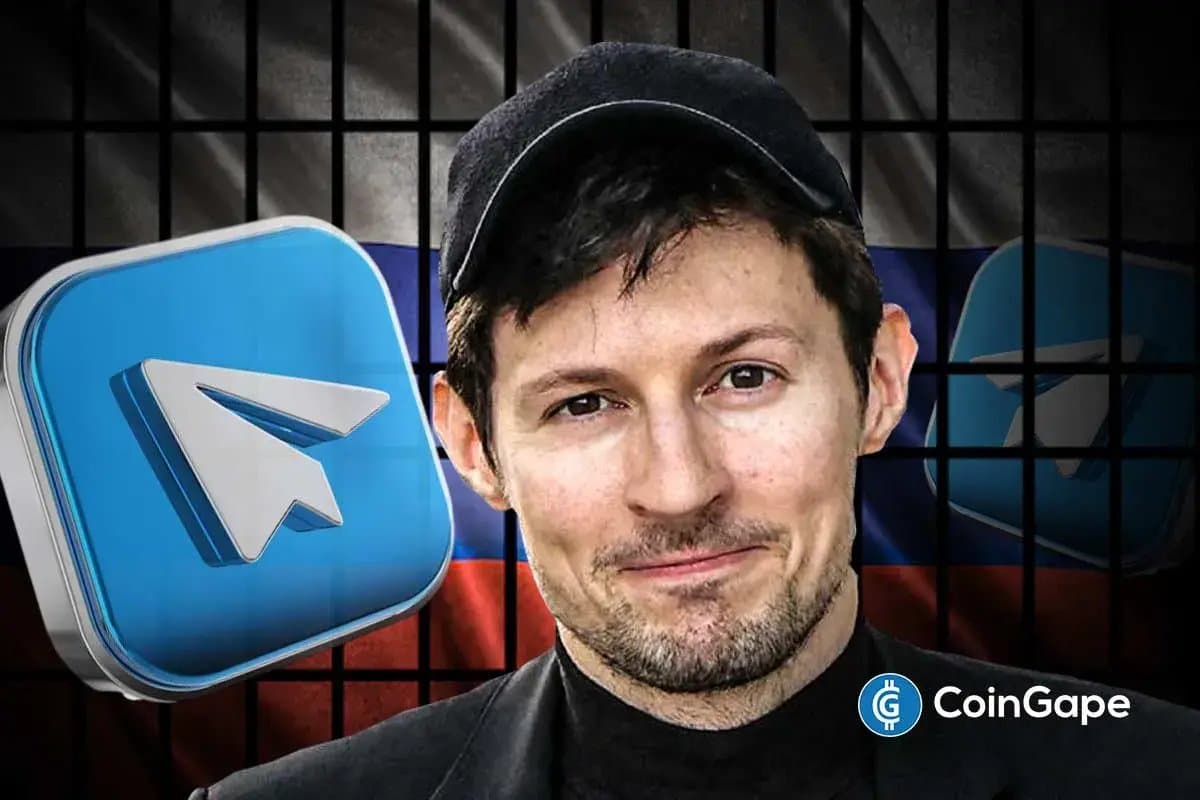
Russian authorities have formally charged Pavel Durov, the founder and CEO of Telegram, with aiding terrorism and issued an international arrest warrant against him. This legal move marks a significant escalation in the ongoing clash between the Russian government and the popular messaging platform.
According to officials, Durov is accused of facilitating activities linked to terrorist groups through Telegram. The Russian Federal Security Service (FSB) alleges that the platform has been used to coordinate unlawful acts under Durov's oversight. In response, the authorities have placed him on a wanted list, signaling their intent to pursue his arrest beyond Russia's borders.
This development comes amid rising political tensions and previous attempts by Russian regulators to control or restrict Telegram’s operations within the country. Pavel Durov, who has been vocal about protecting users’ privacy and resisting government censorship, now faces serious legal challenges that could impact Telegram’s global standing.
Telegram remains widely used worldwide for its encrypted messaging services, and Durov’s leadership is central to its growth and reputation. The current situation raises questions about the future of Telegram’s operations in Russia and the implications for global digital privacy debates.