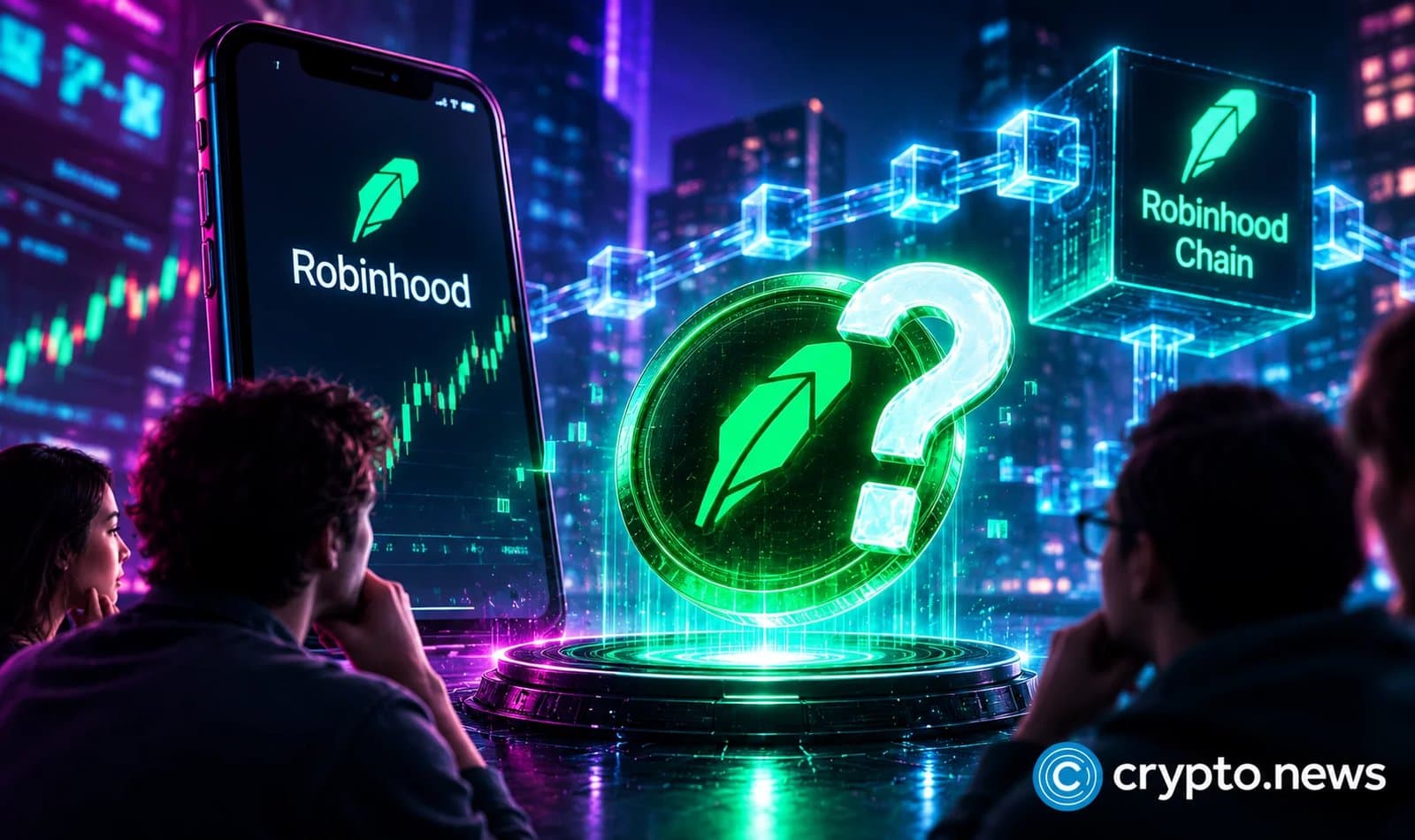
Robinhood launched its own blockchain on July 1, aiming to cut out intermediaries and give retail investors a direct path to markets. Yet, paradoxically, every dollar the Robinhood Chain makes sends 10% of its net revenue to an external DAO treasury and developer fund. This setup reveals an unexpected twist in the company’s self-styled mission to eliminate middlemen.
The Blockchain That Pays Rent
Built on Arbitrum’s Orbit technology, Robinhood Chain operates under the Arbitrum Expansion Program. This program requires every chain using Orbit but settling outside the main Arbitrum One network to redirect 10% of net protocol revenue back into the Arbitrum ecosystem. The split is fixed: 8% goes to the Arbitrum DAO treasury, governed by ARB tokenholders, while 2% supports the Arbitrum Developer Guild.
These payments are not just theoretical anymore. Since its launch, Robinhood Chain has generated over $2 million in cumulative revenue, meaning about $200,000 has already been funneled to Arbitrum stakeholders. At its peak, the network earned more than $800,000 in a single week, projecting an annual revenue close to $42 million. The fees come from profits after operating costs and currently apply to sequencer earnings, with potential expansion to MEV (miner extractable value) profits if the platform implements Arbitrum’s Timeboost system.
Why Pay a Fee to Others After a Decade of Removing Middlemen?
Robinhood’s founding story revolves around dismantling layers between investors and markets, branding commissions as participation taxes. The new blockchain was supposed to be the ultimate embodiment of this philosophy: a settlement layer run and controlled by Robinhood itself, without external cuts. However, by adopting the Arbitrum Orbit stack, Robinhood accepted an arrangement where it effectively becomes a tenant, sharing a slice of its revenue with token holders and developers outside the company.
This raises critical questions rarely asked in coverage so far. What does this cost Robinhood, which has a $2.2 billion war chest? Why would a company built on zero commissions agree to pay a recurring fee to outsiders? The answers might lie in the benefits of leveraging Arbitrum’s infrastructure, which reduces the burden of maintaining a blockchain from scratch but at a clear price.
The irony is striking: after years of battling fees and middlemen, Robinhood now pays a portion of its blockchain profits to decentralized governance token holders and developer groups that it doesn’t control. This twist highlights the trade-offs even big players face when balancing control, cost, and community incentives in crypto infrastructure.
This content is for informational purposes and not financial advice.