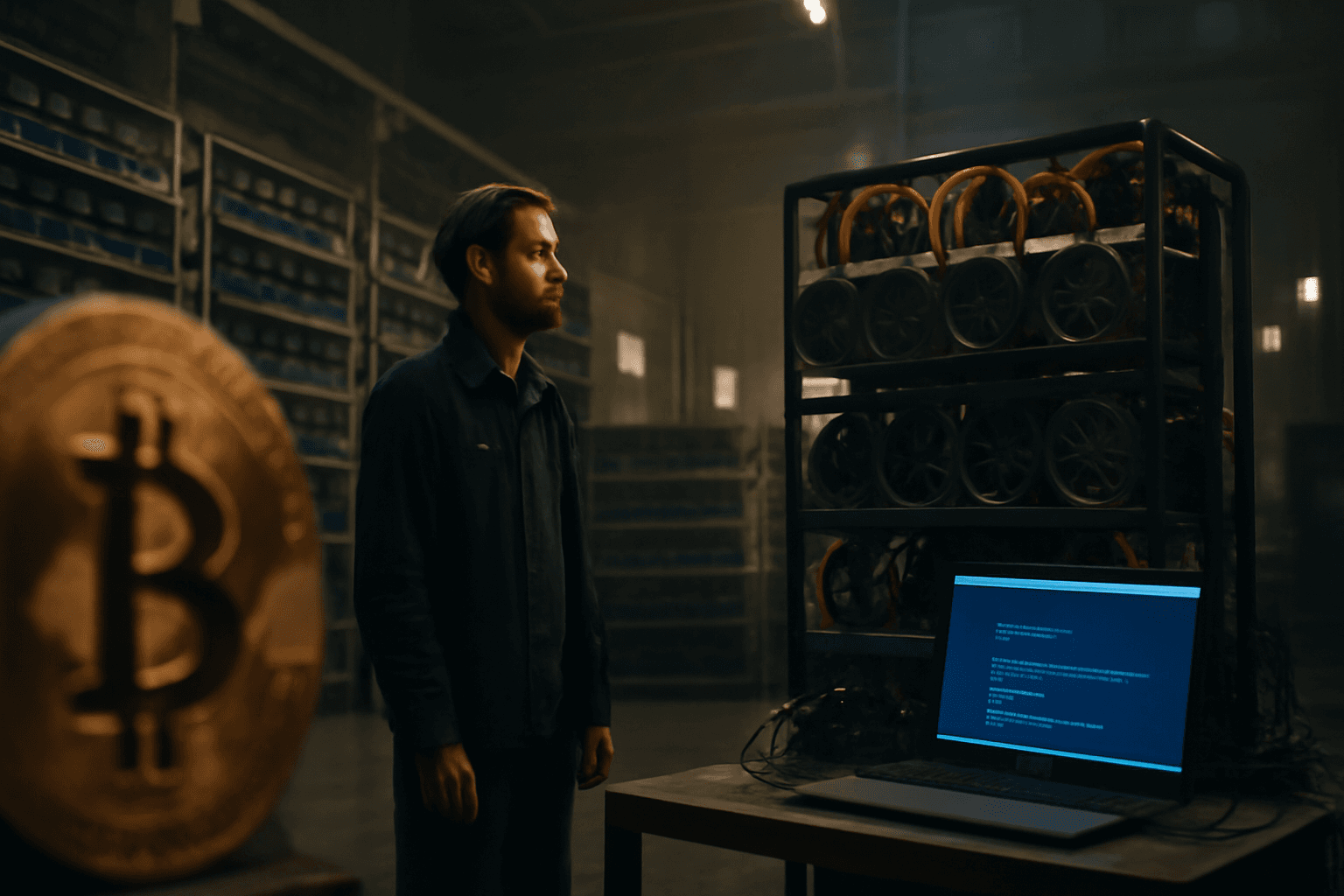
Poolin, one of the leading Bitcoin mining pools, has officially filed for Chapter 11 bankruptcy protection, including two of its US-based affiliates. The move involves selling off mining operations in West Texas and gradually ceasing its mining activities. This development sends ripples through the crypto community, prompting many to reassess the future of Bitcoin mining amid rising operational challenges.
The Shifting Landscape of Bitcoin Mining
Bitcoin mining, once dominated by large-scale pools like Poolin, is under pressure from increasing energy costs, regulatory uncertainties, and technological shifts. Poolin’s bankruptcy comes at a key juncture when miners are seeking more sustainable and profitable avenues. The sale of West Texas assets highlights just how asset-heavy and capital-intensive mining has become, pushing some players to reconsider their entire business models.
Experts suggest this bankruptcy could hasten a broader pivot among miners toward artificial intelligence-related projects. The AI sector offers new opportunities for using similar high-performance computing infrastructure in a more profitable way, especially as the cryptocurrency mining margins thin. Poolin's decision may serve as a wake-up call for other mining entities, influencing a strategic realignment across the industry.