The U.S. military is burning through its long-range missiles and THAAD interceptors faster than it can replace them. Five months of sustained airstrikes against Iran have depleted reserves to critical levels, raising questions about how much longer the Pentagon can maintain its current operational tempo without fresh supplies arriving.
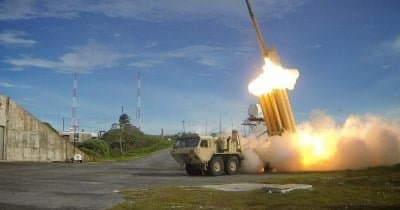
THAAD systems, the backbone of American air defense, are feeling the strain hardest. These interceptors aren't cheap to produce and can't be rushed off assembly lines. Analysts watching the conflict point out that running short on defensive missiles while locked in exchanges with Iran creates a genuine vulnerability. Every THAAD shot that misses or hits its mark leaves fewer options for the next attack wave.
The numbers matter because they shape what happens next. If reserves drop below certain thresholds, the U.S. has limited choices, short of negotiation or de-escalation. Iran knows this too. Some analysts suggest the airspace closure Iran has threatened could become more attractive as a defensive strategy, buying time while American stocks rebuild. Market odds on a full Iranian airspace closure by August 31 have actually declined recently, but fresh reports of supply strain could shift those calculations again.
What's being watched closely now: statements from Iran's Civil Aviation Organization, any Trump administration comments on military strategy, and most critically, announcements about resupply timelines. Pentagon procurement moves fast when it needs to, but missile production doesn't happen overnight. Every week Iran holds out without closing airspace is another week American supplies tick down further.
This article covers conflict analysis and military logistics. It's informational material, not strategic advice or forecasting.