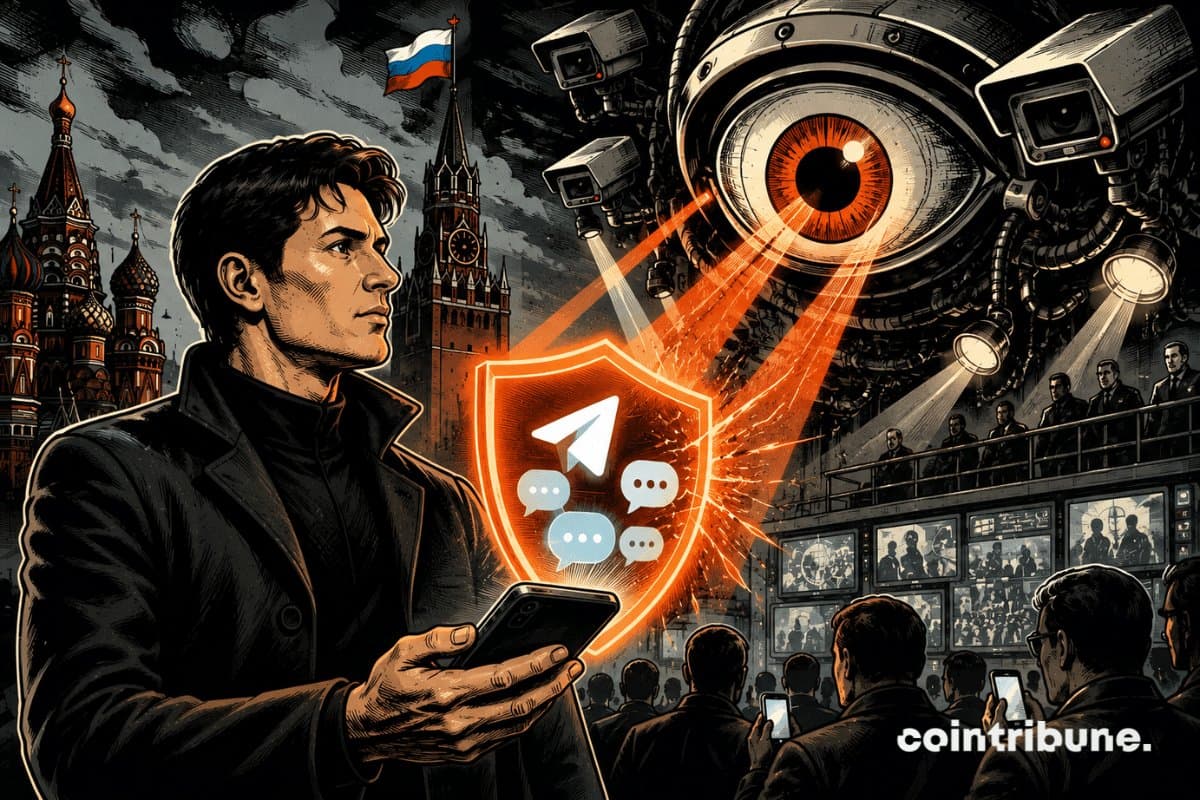
Pavel Durov fights back after Russia added him to its list of extremists and terrorists. The Telegram founder calls it a punishment for resisting mass surveillance and censorship demands from Moscow.
On July 30, Russian authorities included Durov on their extremist registry, following accusations that Telegram enabled Ukrainian forces to coordinate attacks inside Russia. The Federal Security Service (FSB) also claims Telegram failed to remove certain channels linked to banned organizations. These claims have not been supported by any independent judicial ruling.
Telegram’s privacy stance fuels the dispute
Durov argues the charges are a reaction to his firm refusal to surrender Telegram to government monitoring or political censorship. He mocks the idea that the state could silence him online, turning the tables by suggesting it’s the authorities who fear being restricted themselves.
This isn’t just about content moderation anymore. The conflict highlights how far states should compel encrypted messaging platforms to reveal private user data or remove politically sensitive messages. Durov’s stance isn’t new Telegram previously threatened to exit France over similar encryption compromises.
The platform warns that creating government backdoors weakens security and exposes users to hackers or hostile actors. While Telegram faces criticism for hosting extremist or criminal content, Russia’s actions clearly add a political dimension to the platform’s challenges.
Russian pressure on Durov comes amid a broader crackdown on digital freedoms. The FSB’s push to link Telegram with terrorism marks an aggressive move against independent communication channels that resist state control.
In 2023, Telegram reported having over 700 million monthly active users worldwide, underlining how key the battle over surveillance and censorship is for millions relying on secure messaging daily.
This article is for informational purposes and does not constitute financial advice.