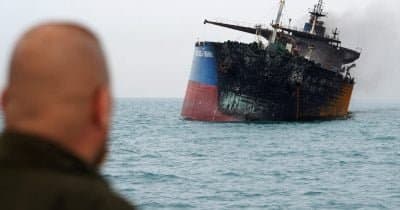
OPEC cranked up production last month. Kuwait, Saudi Arabia, and Iraq all lifted output, sending the cartel's total to 19.44 million barrels a day, up 1.16 million from the prior month, according to a Bloomberg survey. Numbers look clean. Reality is messier.
The catch: nobody can quite see what's actually leaving the docks. Disrupted shipping lanes through the Persian Gulf and opaque tracking data mean the real flow of crude remains fuzzy. Market watchers have to squint at tanker positions and port activity just to estimate where barrels actually end up. That gap between official figures and what's verifiable matters more than it sounds, because OPEC's moves ripple through global pricing instantly.
The supply pressure nobody wanted
This production push follows OPEC+'s policy of slowly opening the taps. Makes sense on paper. Crude's been volatile, and a steady hand on supply should smooth things out. Except the market's already pricing in the opposite. Traders are betting that higher OPEC output means less scarcity, which means price pressure. Some analysts are whispering about oversupply by year-end, which would flatten any dreams of record oil prices.
Output still sits below pre-war levels, so there's room to go. But room and direction aren't the same thing. If production keeps climbing while demand stays flat or weakens, barrels will stack up. Refineries fill, storage fills, and prices slide. That's the scenario the market's already hedging against.
Geopolitical stability in the Middle East will matter more now. Any flare-up cuts supply instantly. Any peace talks could unlock even more barrels. Same with OPEC's next policy decision, which could either stick to gradual increases or pivot faster. The real wildcard, though, is data itself. Better tracking of shipments could shock the market in either direction, depending on what it reveals about actual versus reported volumes.
This material is for informational purposes only and should not be taken as financial or investment advice.