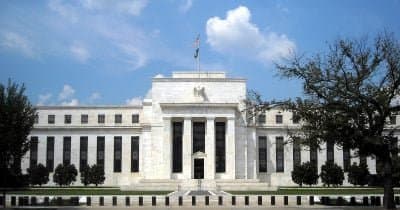
Oil prices have pushed close to $100 per barrel amid rising tensions surrounding the Iran conflict, triggering a significant change in market expectations for Federal Reserve interest rate policy. Investors now anticipate a rate increase at the Fed’s upcoming meeting, reversing the previous consensus that predicted multiple rate cuts before year's end.
Bond Markets React to Oil Shock
US Treasury yields have responded sharply to the oil price jump. The 2-year Treasury yield hit 4.37% on July 23, marking its highest point since early 2025. Meanwhile, the 10-year yield climbed to about 4.7%, reaching a year-to-date peak. The short-term 2-year yield is especially noteworthy, as it closely mirrors expectations for near-term Fed moves.
According to analysts, the rapid rise in oil has pushed investors into pricing a higher chance of a Fed rate hike. This comes as the Fed's preferred inflation metric, the PCE index, was projected to reach 2.7% back in March when oil prices previously surged. The current climb in crude oil prices suggests those forecasts might be too optimistic.
Higher interest rates typically tighten financial conditions and reduce capital flows into riskier assets. When rates rise, assets like Bitcoin struggle since investors can receive better yields from safer instruments like Treasury notes. For example, during a similar oil price spike in March 2026, Bitcoin’s price fluctuated between $64,000 and $71,000 amid notable volatility.
Experts point out that supply-driven shocks like the Iran conflict present a difficult challenge for the Fed. Unlike demand-pushed inflation, supply-side price hikes do not correspond with economic growth, complicating policy responses. Past cycles from 2021 to 2023 demonstrated how supposedly temporary price pressures can stubbornly persist, undermining confidence in the Fed's handling of such situations.
If crude continues its upward trajectory past $100 per barrel, the market should brace for further increases in Treasury yields and a stronger likelihood of rate hikes. This dynamic also implies renewed volatility in risk assets including cryptocurrencies.