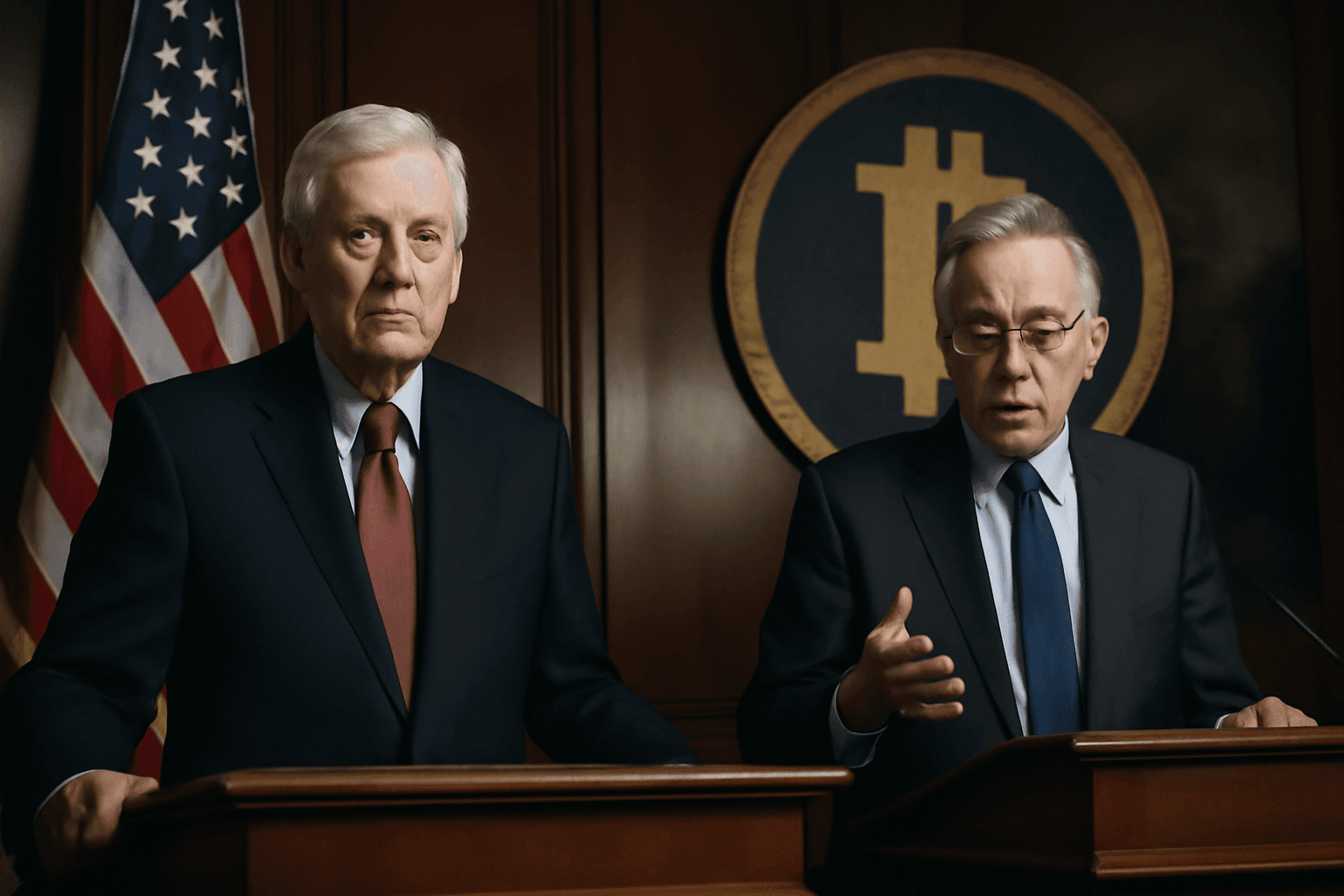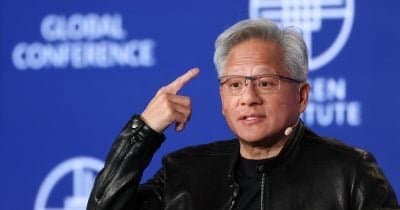
Nvidia’s CEO Jensen Huang is actively engaging US lawmakers, advocating for a single federal framework to regulate artificial intelligence instead of a patchwork of state rules. He warns that inconsistent regulations across 50 states could expose national security risks and hinder the innovation race against China.
Lobbying Efforts and Industry Influence
Huang’s efforts on Capitol Hill are part of a wider campaign that includes previous meetings with top officials, such as his December 2025 discussion with President Trump about export controls on advanced chips. He also took part in the White House AI Action Day and holds positions on advisory boards aimed at shaping AI policy. At Nvidia’s annual meeting in June 2026, Huang emphasized that AI has transitioned from a theoretical concept to essential infrastructure, underlining the urgency of clear regulation.
Massive Chip Orders and Impact on Crypto
Nvidia forecasts nearly $1 trillion in orders for its next-generation Blackwell and Vera Rubin chips through 2027, an amount comparable to the entire GDP of the Netherlands. Huang highlighted open-weight AI models as a strategic path to maintain US leadership, positioning Nvidia beyond just hardware provider to a champion of accessible AI development.
This shift affects the crypto sector as well. Nvidia’s GPUs remain critical for crypto mining and decentralized AI projects, which rely heavily on powerful hardware. Federal AI rules could bring clarity that attracts institutional investors to AI-related tokens and protocols, but strict regulations might also stifle the decentralized innovation crypto projects rely on.
With Nvidia prioritizing enterprise AI clients amid this trillion-dollar demand, smaller buyers like crypto miners and decentralized compute networks may face limited chip availability.
This content is for informational purposes and does not constitute financial advice.