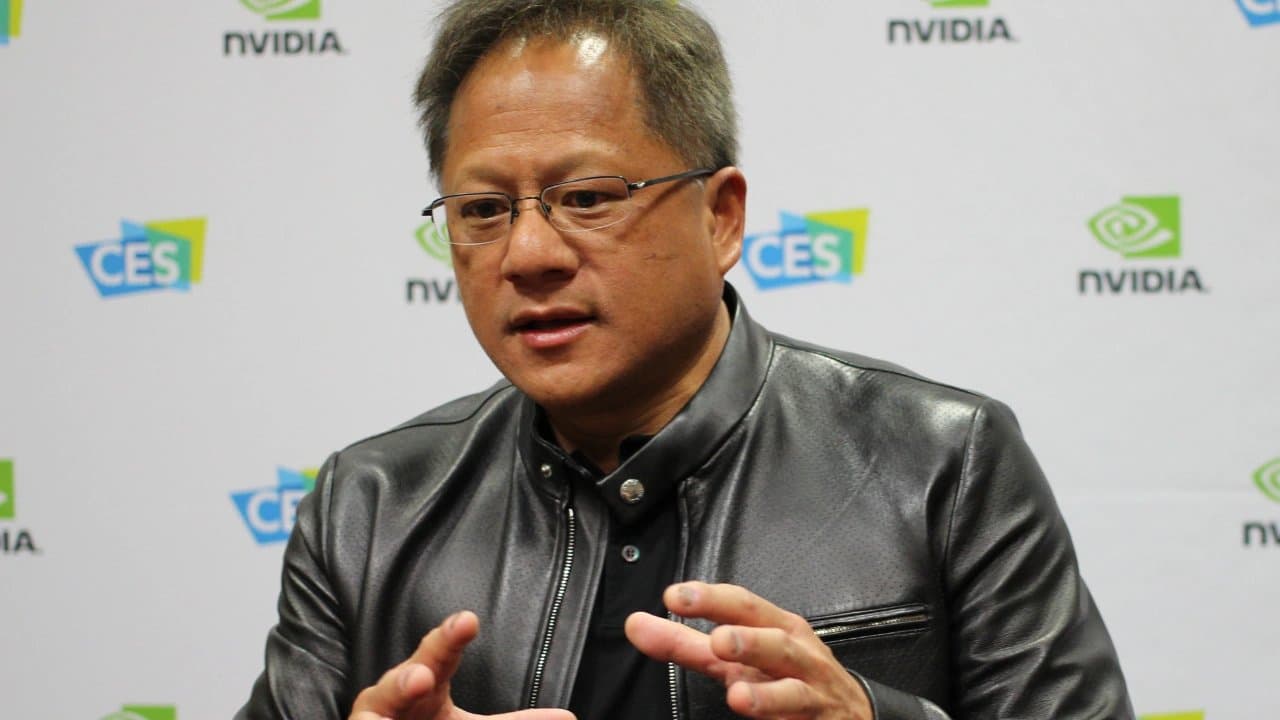
Jensen Huang, CEO of Nvidia, challenged the widespread fear that AI will cause massive unemployment. Speaking at Y Combinator's Startup School, he argued that AI automates individual tasks, not entire jobs, which actually leads to increased productivity and more hiring.
Task Automation vs. Job Elimination
Huang explained the confusion stems from conflating tasks with jobs. Tasks are repetitive activities like answering queries or writing code snippets, while jobs represent broader responsibilities such as solving customer problems or developing software. AI’s role is to handle menial, time-consuming tasks, freeing workers to focus on higher-value work.
He gave the example of radiologists, often cited as jobs at risk. Contrary to fears, demand for radiologists has grown since AI helps process medical scans faster and more accurately. Similarly, software engineers are now leveraging AI tools to boost their coding efficiency rather than replace their roles.
Employment Trends and AI
Independent data supports Huang’s view, showing AI’s overall impact on employment remains modest. However, fresh graduates face challenges adapting to new AI-driven workflows. Despite early hurdles, major companies are still hiring aggressively, integrating AI to complement rather than substitute human workers.
This perspective contrasts sharply with anxiety around AI-driven job losses and reinforces a narrative where technology extends human capabilities. Nvidia’s key role in powering AI infrastructure highlights the company’s interest in promoting balanced views on AI and employment.
The information provided is for educational purposes and should not be considered as financial advice.