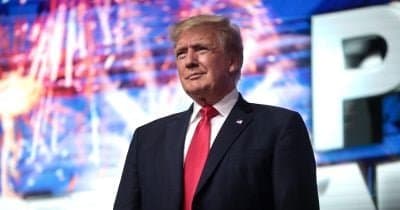
Bitcoin dipped sharply after fresh intelligence from Israeli Prime Minister Benjamin Netanyahu reached President Donald Trump, stirring fears of renewed conflict with Iran. Israeli officials remain skeptical about any US-Iran diplomatic breakthrough, especially following a year marked by military clashes and stalled talks. This distrust weighs heavily on risk assets, including cryptocurrencies.
Tensions Spill Into Crypto Markets
In June 2026, escalated hostilities between Israel and Iran knocked Bitcoin down to a $63,000 to $70,000 range, while oil prices surged over 3%. This episode confirmed Bitcoin’s growing role as a high-beta asset reacting strongly to geopolitical shocks rather than a safe haven. Traders who resisted the influence of traditional geopolitical risks found themselves exposed.
While the exact details of Netanyahu’s intelligence on Iran’s nuclear program remain confidential, Trump's call for caution suggests the situation could escalate without immediate resolution. Investors now closely track the Strait of Hormuz, a strategic chokepoint through which about 20% of the world’s oil supply passes. Disruption here could ripple through global markets.
What Crypto Traders Should Monitor
Market platforms such as Polymarket are already factoring in the probabilities of new developments linked to Netanyahu’s briefing, signaling that sophisticated traders view this tension as a measurable geopolitical risk. Bitcoin’s quick selloff in June exposed the vulnerability of leveraged long positions to sudden shocks.
Interestingly, asset plays directly tied to Iranian sanctions or regional tensions have seen little interest. Instead, Bitcoin itself acts as a proxy for wider market risk amid instability across the Middle East.