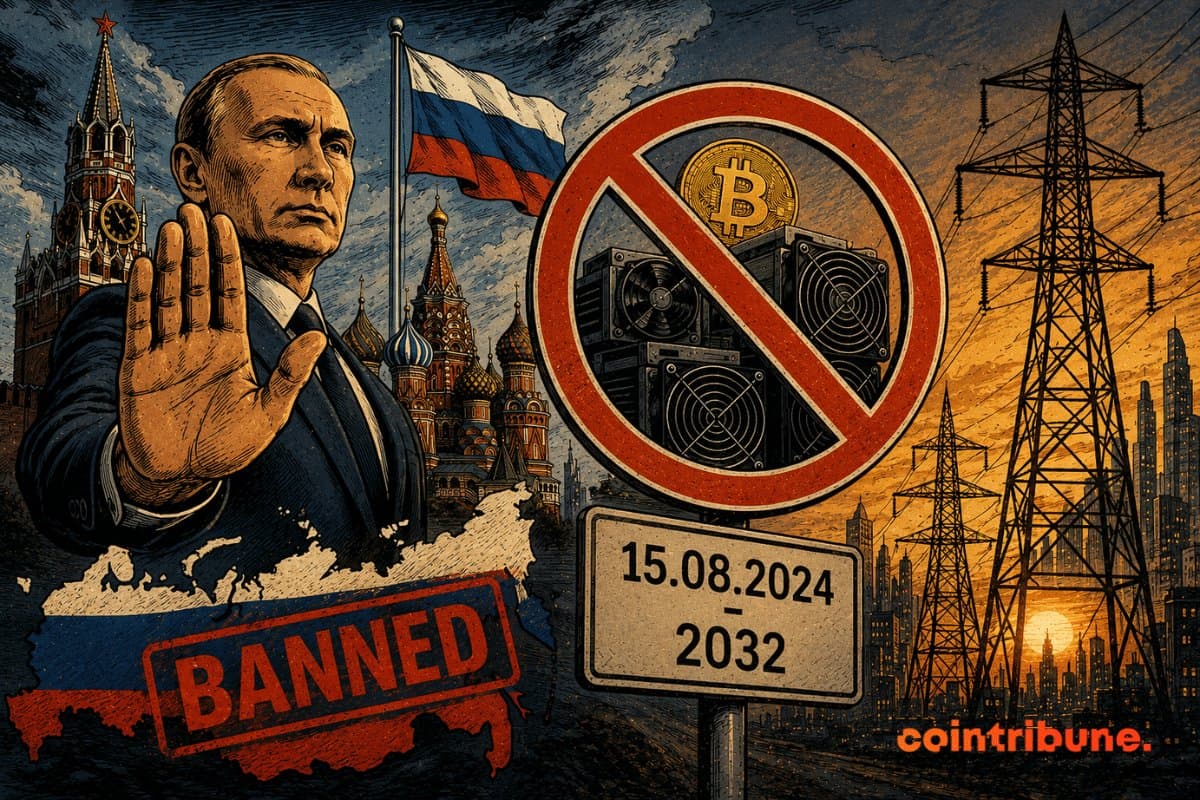
Mining operations in Moscow and Kursk have pushed electricity consumption past 1 gigawatt, forcing authorities to act. The Russian government announced a ban on crypto mining in these regions effective August 15, 2026, lasting until the end of 2032. This unprecedented move aims to ease the heavy load on the power grid, which is already stretched thin by the 65 data centers operating across the area.
The Moscow region alone hosts 19 data centers with a combined capacity of 233 megawatts, contributing significantly to the overall 734 megawatts consumed by all centers connected to the grid. The Ministry of Energy flagged the escalating demand back in April 2026, prompting the Kremlin to extend mining restrictions beyond remote areas and into the country's economic core.
Prime Minister Mikhail Mishustin signed Decree No. 936, cementing this ban as part of wider efforts to stabilize the energy system. The duration of the ban exceeds the typical lifecycle of mining equipment, signaling to operators that investing in Moscow’s crypto mining sector is no longer viable. This development coincides with Russia’s plans to launch its own central bank digital currency as soon as September, marking a significant shift in the country’s digital asset strategy.
Meanwhile, BitRiver’s founder Igor Runets faces pretrial detention for fraud in a case linked to En+, adding to the sector’s turmoil. These moves highlight Russia’s changing stance on crypto mining, reminiscent of earlier crackdowns in places like Buryatia and the Caucasus.
This content is for informational purposes only and does not constitute financial advice.