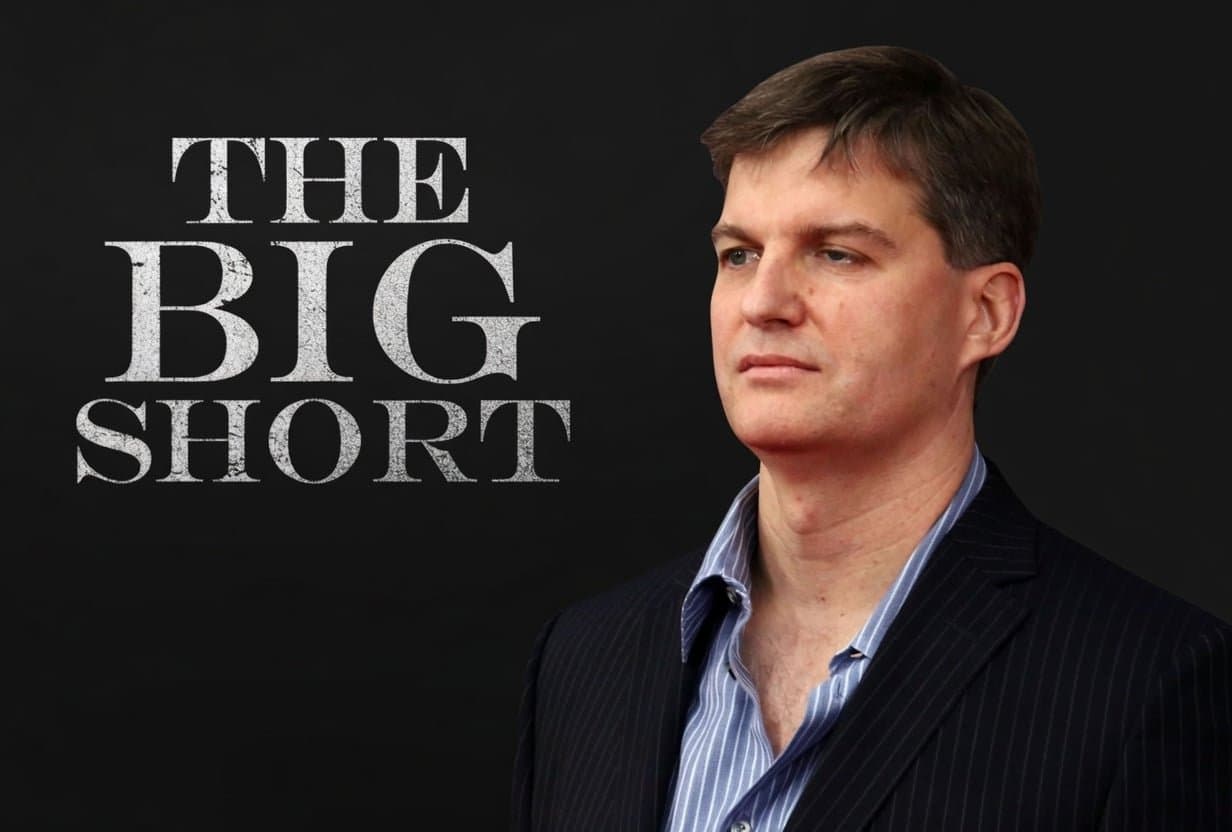
Michael Burry, famed for forecasting the 2008 housing crash, has raised alarms about today’s stock market. He compares the current AI-driven rally to the final stages of the dot-com bubble in 1999-2000, suggesting investors are ignoring economic fundamentals in favor of hype around artificial intelligence.
On social media, Burry described how financial chatter has narrowed down to AI nonstop, overshadowing indicators like jobs data or consumer sentiment. He characterized the market’s rise as a self-reinforcing cycle rather than being supported by solid business results, calling it a "two-letter thesis" everyone believes they understand.
While tech firms are aggressively borrowing to expand AI infrastructure, this surge in debt competes with heavy Treasury issuance, pushing long-term borrowing costs higher. The 30-year Treasury yield has remained above 5% for nearly a month, a level last seen before the 2007 financial crisis. This backdrop could spell trouble for private equity and credit markets, which thrived under lower rates but may now face stress if borrowing costs remain elevated.
Oil Price Surge Adds Inflation Pressure
Adding to the complexity, Brent crude oil prices have crossed the $100 per barrel mark, rising 42% in just 20 days. This sharp increase fuels inflation and limits the Federal Reserve’s ability to lower interest rates, tightening financial conditions further.
Burry warned that these converging factors escalating Treasury yields, soaring oil prices, and AI-related debt are creating multiple pressure points in the market. He also highlighted risks in leveraged Treasury strategies that might trigger rapid sell-offs if volatility spikes.
While Burry admitted to previous incorrect crash predictions, he pointed to accurate calls during the dot-com bust, the 2007 crisis, and other key market events. His patient strategy now involves accumulating fundamentally strong stocks overlooked amid the AI frenzy, reminiscent of his approach after the dot-com bubble burst.
This material is informational and does not constitute financial advice.