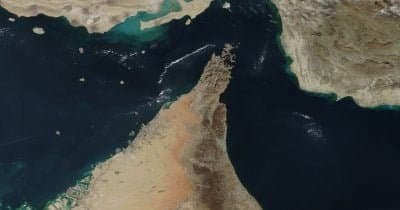
Attacks and threats around the Strait of Hormuz, along with disruptions in the Red Sea, Black Sea, and Sea of Azov, are rattling critical commercial shipping lanes. This turmoil is fueling growing concerns over the stability of global maritime trade.
The Strait of Hormuz, a vital chokepoint for oil exports, has become a flashpoint due to ongoing tensions between the U.S. and Iran. Meanwhile, the Red Sea faces challenges from Houthi insurgencies in Yemen, and the Black Sea and Sea of Azov remain unstable amid the Russia-Ukraine conflict. These overlapping crises are forcing ships to reroute and heightening safety risks for maritime traffic.
Prediction markets reveal a stark decline in confidence that normal traffic through the Strait of Hormuz will resume by September 30. The probability dropped from 22% last week to just 18.5%, signaling the market’s expectation of prolonged instability. This sentiment reflects fears that disruptions could persist, squeezing supply chains and increasing shipping costs worldwide.
The situation remains fluid, with diplomatic talks between the U.S. and Iran closely watched by traders and shipping companies alike. Any breakthroughs toward ceasefires or security assurances could shift market sentiment back toward optimism. Conversely, fresh incidents or tightened restrictions would likely deepen worries about maritime security and further disrupt trade flows.
The Iranian government’s posture and international maritime organizations' responses will be key in shaping short-term outcomes for these key waterways. Meanwhile, the volume of vessel transit through these regions will serve as a real-time barometer of evolving risks.
As tensions linger, market participants remain cautious. These maritime disruptions add a layer of uncertainty not just to oil markets, but to global supply chains dependent on these passages. Keeping an eye on geopolitical developments here will be essential for understanding broader economic impacts.
This content is for informational purposes and does not constitute financial advice.