Malaysia holds a massive 16.1 million metric tons of rare earth deposits, ranking third worldwide. Since October 2025, it banned raw rare earth exports to encourage local processing. Now, the country is considering selective exports of unprocessed rare earths to strengthen its influence in the global supply chain, which is heavily dominated by China.
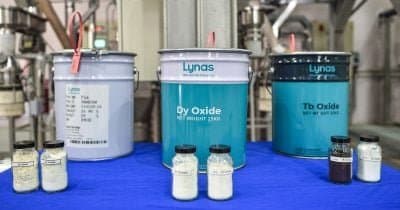
China controls over 85% of rare earth processing, including critical elements like dysprosium oxide, vital for electric vehicle magnets and wind turbines. Malaysia has already become the first non-Chinese producer of this heavy rare earth in 2025, signaling its ambitions to become a key alternative supplier.
In 2025, Malaysia signed a Memorandum of Understanding with the US focused on critical minerals. By mid-2026, it partnered with European firms from France and Belgium to develop rare earth processing and separation technologies. US companies secured offtake deals with Malaysian producers, agreeing on price floors around $110 per kilogram for certain rare earth oxides. Australian miner Lynas, operating processing facilities in Malaysia, benefits significantly from these agreements.
By tapping into this potential, Malaysia could supply up to 20% of the global heavy rare earth market outside China, reducing the risk of supply shocks for industries relying on these materials. This shift could also recalibrate geopolitical use in the mineral supply chain, especially amid ongoing tensions around resource security.
However, challenges remain. Lynas' Malaysian operations have faced local resistance over environmental concerns, hinting that expansion won't be without obstacles. Investors should monitor facility construction and production milestones closely as Malaysia moves to balance export controls with strategic partnerships.
This material is for informational purposes and not financial advice.