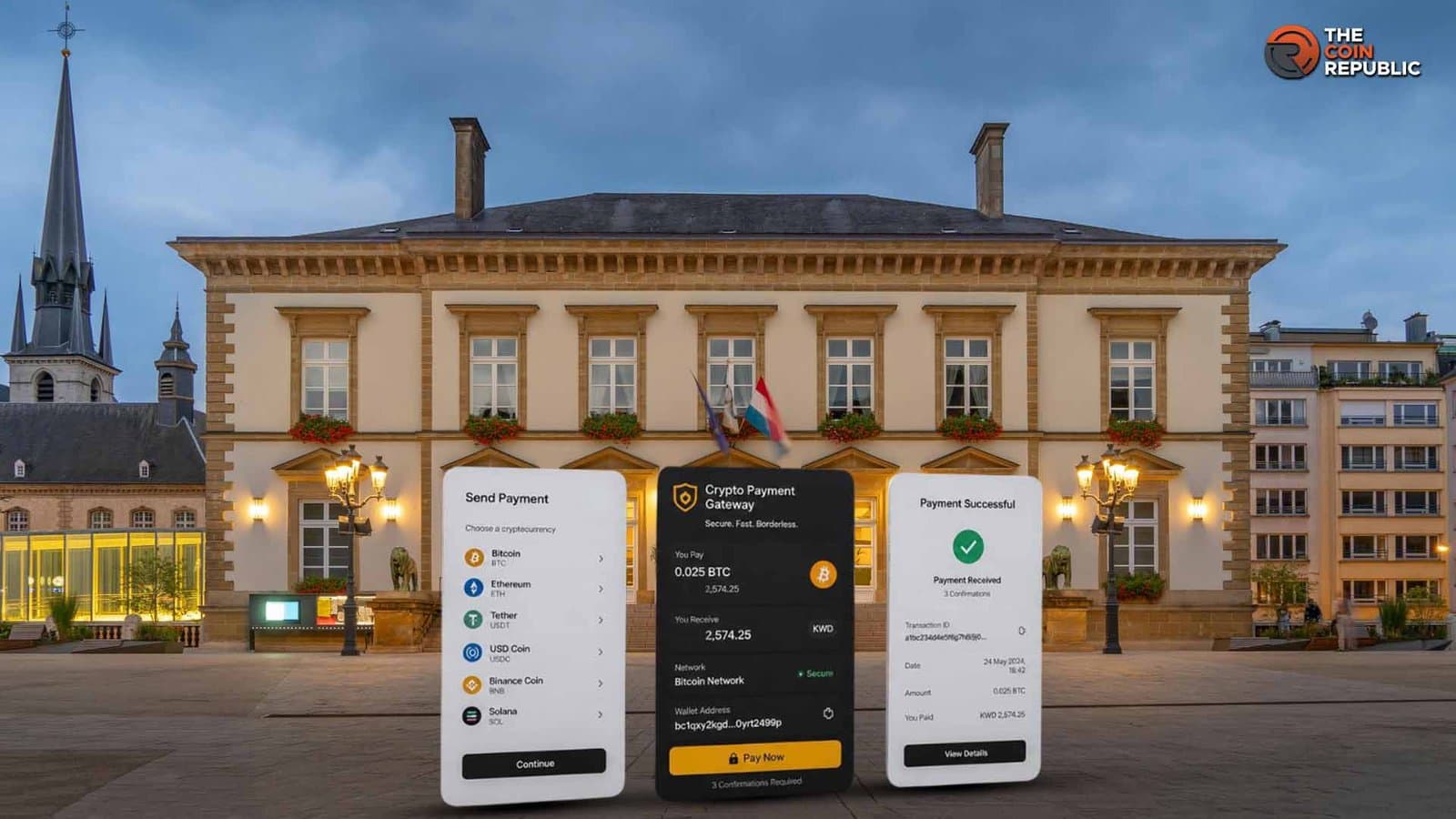
Luxembourg caught something most European cities missed. While regulators elsewhere fumbled over crypto rules, this tiny nation built a framework that actually works. The Markets in Crypto-Assets Regulation, known as MiCA, arrived with teeth, and the Commission de Surveillance du Secteur Financier started issuing licenses to Crypto-Asset Service Providers. Suddenly, merchants had somewhere safe to plug in.
The shift happened fast. Companies that had been eyeing Europe realized Luxembourg offered what nowhere else did: clear rules, EEA passporting rights, and a financial infrastructure that didn't treat digital assets like a joke. Stablecoin adoption picked up. Cross-border payments got cheaper. Businesses stopped asking if they could accept crypto and started asking which gateway to use.
Who's Building Payment Infrastructure
dtcpay started in Singapore but recognized the opening. The company moved into Luxembourg, grabbed an Electronic Money Institution license from CSSF, and now operates across the entire European Economic Area. Their play is enterprise stablecoin settlement. A company processing international payments can convert digital assets to fiat without breaking compliance. That matters when you're moving money across five countries.
Fireblocks took a different angle. They built custody and treasury management for institutions that need to hold and move crypto without the operational headaches. BlockBee focuses on merchant checkout, the point-of-sale layer where a coffee shop or boutique actually accepts Bitcoin or Ethereum. Monerium runs electronic money on blockchain, which sounds abstract until you realize it means regulated digital cash that moves at internet speed instead of banking speed.
Why This Matters for Actual Businesses
The regulatory clarity cuts through noise. A merchant in Paris or Amsterdam no longer needs to wonder if accepting stablecoins violates local law. Luxembourg's CASP and EMI licenses mean the gateway itself is supervised. The risk shifts from the merchant to the regulated provider. That's why adoption accelerated.
Banking relationships came next. Luxembourg's financial sector has decades of infrastructure. Payment processors, settlement networks, and fiat on-ramps already existed. Crypto companies didn't need to build everything from scratch. They plugged into existing rails. That's the difference between a theoretical hub and one that actually moves money.
The passporting rights matter too. A licensed platform in Luxembourg can serve customers across the EEA without getting separate approvals in each country. That kills the old model where you needed a separate entity in Germany, France, and Poland. One license. Multiple markets. The unit economics work.
This article is informational and does not constitute financial or investment advice. Regulatory requirements vary by jurisdiction, and businesses should consult legal counsel before implementing crypto payment solutions.