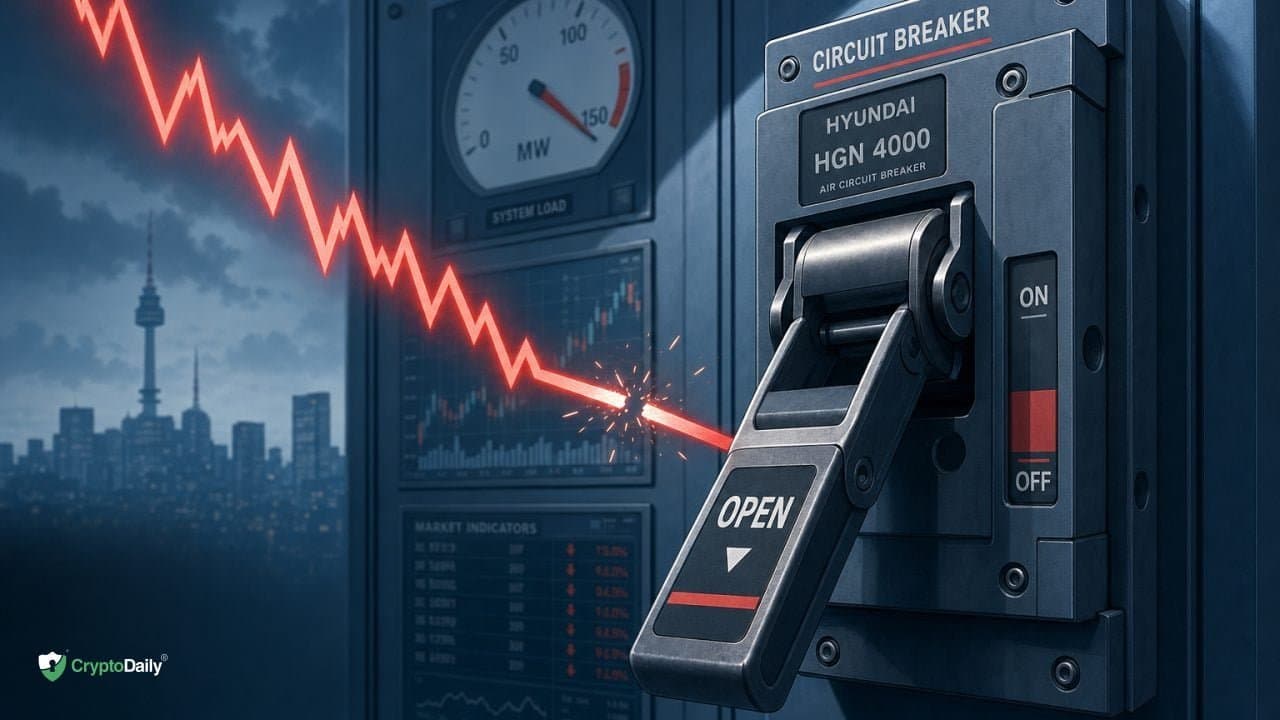
One trader described the scene in Seoul as screens froze when the KOSPI index plunged more than 8 percent, triggering an automatic halt that lasted 20 minutes. This was not a one-time event but the sixth halt this year, with three occurring in just July alone. Each pause forces a market-wide timeout, giving participants a moment to digest the sharp selloff and adjust positions.
The Korea Exchange (KRX) employs a structured circuit breaker system designed to prevent chaos during rapid market declines. These halts don't stop the selling but slow it down, providing key breathing room. The mechanism kicks in after the KOSPI falls past certain thresholds from the previous session’s close and remains down for a full minute. Phase 1 triggers at an 8% drop, pausing trading for 20 minutes. Phase 2 activates at a 15% decline with another 20-minute halt, and Phase 3 shuts the market for the rest of the day if the drop hits 20%. Only one halt is allowed per day, and they do not apply during the last 40 minutes of trading. During the pauses, traders can cancel orders but cannot place new ones.
The repeated halts reflect heightened volatility in the Korean market and broader Asian risk sentiment. These stoppages ripple beyond local traders, affecting global desks managing Korean equities inside index arbitrage, ETFs, or pan-Asia baskets. Even futures pricing and ADR valuations adjust to these sudden freezes, showing how interconnected Korea’s market is with international investors. For anyone with exposure to Korean equities, these circuit breakers mean sudden stops in liquidity and forced reassessments of funding and hedging strategies.
July’s frequent halts mark a departure from earlier in the year, signaling a shift in risk appetite and positioning across the region. As Korea prepares to implement its stringent crypto tax rules in 2027, market participants are watching how volatility and regulatory changes might reshape trading behavior and investor appetite.
This material provides information only and is not financial advice.