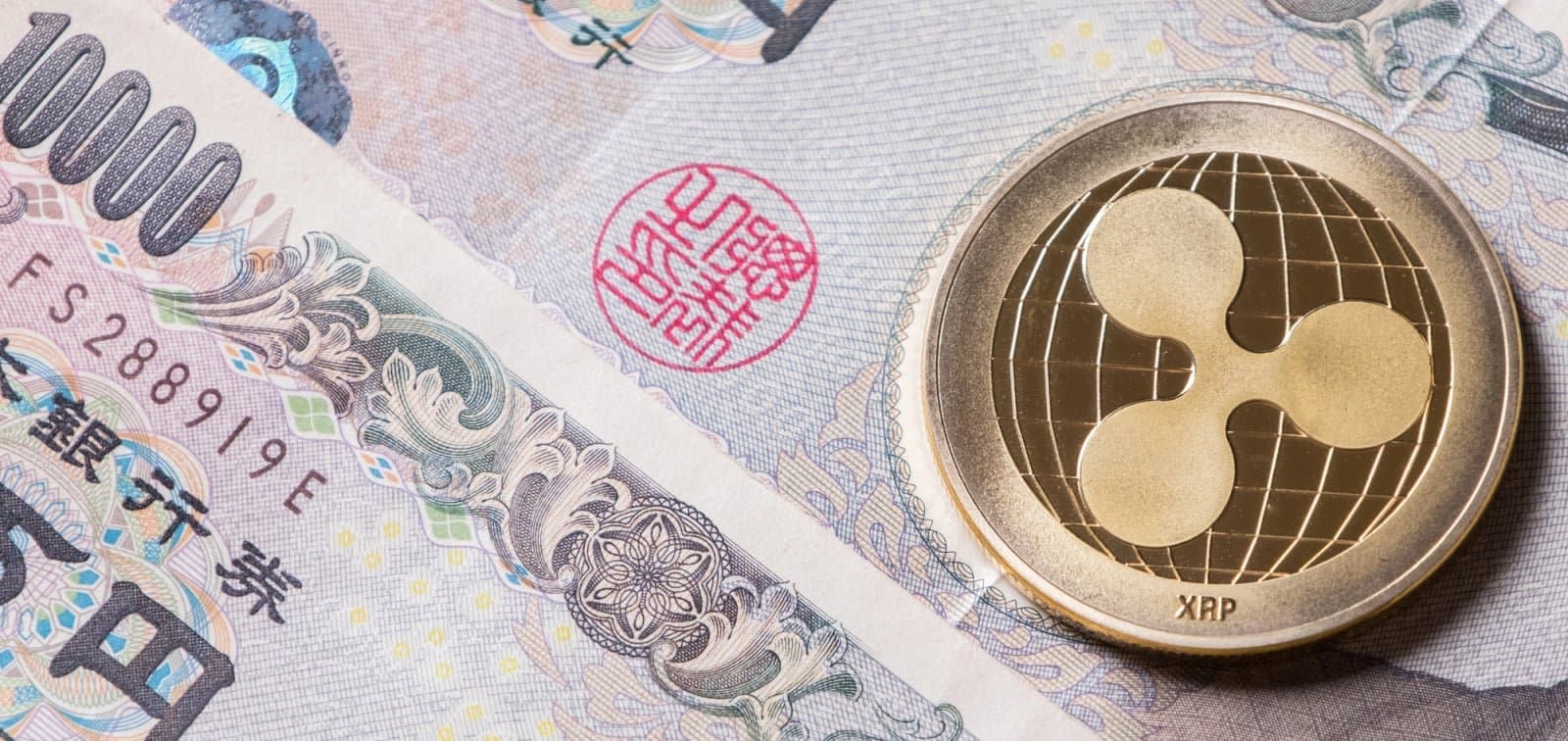
Japan embraced XRP as part of its banking infrastructure starting in 2016, outpacing global regulators who remained stuck debating crypto regulation. The SBI Ripple Asia consortium was formed that year, introducing XRP to the domestic financial market by 2017, while many countries were still figuring out how to handle cryptocurrencies legally.
Japan’s Financial Services Agency took swift action, issuing clear regulations on digital assets that gave businesses the confidence to adopt XRP without fearing legal backlash. This early move allowed the country to transform XRP from a speculative token into a practical tool for everyday finance within ten years.
Among the notable developments today is SBI Shinsei Bank offering interest payments on deposits in XRP. also SBI Holdings introduced bonds that provide crypto-backed bonuses, further integrating XRP into financial products. Japan’s approach illustrates how clear policies can accelerate crypto adoption, setting it apart as a model for other nations still stuck in regulatory limbo.