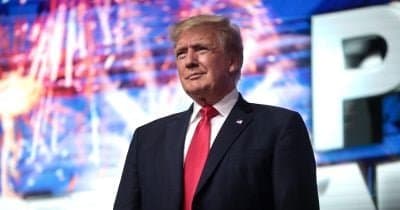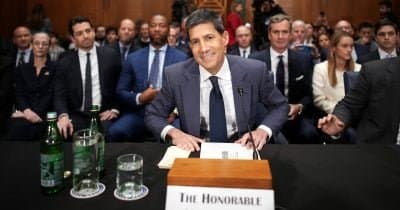
Jamie Dimon said something odd on CNBC the other day. The JPMorgan CEO, a man who spent years calling Bitcoin a fraud, just praised the Federal Reserve for talking less. Not more. Less. Kevin Warsh, the Fed's new chairman, has stripped away the forward guidance, the dot plot hints, the whole theater of signaling where rates might go. And Dimon thinks it's genius.
That matters because markets hate surprises, especially when the Fed is involved. For two years, Wall Street trained itself to read every word, every pause, every revised projection as gospel about monetary policy. Now Warsh is pulling the script away. The July 29 FOMC meeting left rates at 3.5 to 3.75 percent, but what struck traders was the silence after. No hints. No directional winks. Just the number.
The architecture behind the shift
Warsh took the job in May 2026 with five task forces already underway. They're not cosmetic. One reviews how inflation gets measured. Another examines how the Fed communicates with markets. The dot plot itself is under review, which means the individual rate projections that traders obsess over could vanish entirely. The federal funds rate has dropped from above 5 percent in 2024 to where it sits now, a decline that reshapes every calculation in crypto and traditional finance.
Dimon's endorsement is strategic. He frames this as restoring Fed credibility as a data-driven institution, not a market-soothing PR machine. That framing matters. For crypto markets, which have been watching rate signals like hawks, it means the old playbook is dead. You can't predict the Fed from breadcrumbs anymore.
Why Dimon's view on crypto is shifting too
Here's the contradiction nobody talks about. Dimon called Bitcoin a fraud in 2017. He still doesn't own it. But JPMorgan has built Kinexys Digital Payments, a blockchain platform that moves billions in transactions. The bank isn't betting on Bitcoin. It's betting on the infrastructure underneath. That's a different animal entirely.
When Dimon backs Warsh's communication strategy, he's not just endorsing Fed philosophy. He's signaling that the old regime of monetary policy theater is over. Crypto markets have thrived on volatility created by rate surprise and guidance shifts. Without that signal-reading game, traders have to focus on fundamentals. That means actual adoption, actual use cases, actual risk management instead of trying to front-run the Fed's next move.
The real question is whether Warsh actually follows through. Five task forces reviewing Fed policy simultaneously isn't theater. But it's also not done yet. If he commits to this silence, if he kills the dot plot or transforms it into something less predictive, the entire structure of how markets price digital assets shifts. Crypto traders won't be watching the Fed's lips anymore. They'll be watching the blockchain.
This article is informational only and does not constitute financial advice. Cryptocurrency markets remain highly volatile, and Fed policy changes can impact asset valuations significantly.