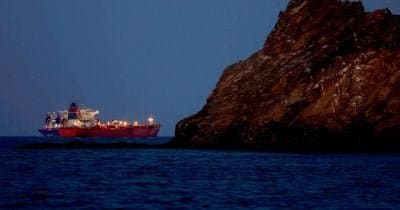
Iran’s Supreme National Security Council has signaled a sharp escalation in the ongoing standoff with the United States by threatening to block key waterways, including the Strait of Hormuz. This choke point handles about 20% of the world’s oil, and its closure could disrupt global energy markets dramatically.
Market pricing now reflects a 6.5% chance that traffic through the Strait will normalize by the end of August 2026, underscoring investor concerns about prolonged instability. Iran’s statement comes amid heightened military activities and diplomatic stalemates, suggesting that Tehran is prepared to move beyond limited skirmishes and target the economic arteries that fuel much of the global economy.
Economic and Geopolitical Impact
Closing the Strait of Hormuz would cause immediate shocks to oil and gas supplies, leading to price spikes and potential shortages worldwide. The move could also trigger broader geopolitical ripple effects, forcing countries to reconsider their energy dependencies and alliances. The U.S. has increased its military presence in the region in response, but so far, no diplomatic breakthroughs have eased tensions.
Key figures to watch include Iran’s Supreme Leader Ayatollah Ali Khamenei and political figures like Masoud Pezeshkian, whose statements often hint at Tehran’s strategic intentions. On the American side, shifts in military posture or public comments could either dampen or escalate fears of a full blockade.
What Comes Next
Diplomatic developments will be critical in the coming weeks. Any signs of engagement or de-escalation could ease market fears and improve the odds for normalized passage through the Strait. However, continued threats or military buildup risk keeping volatility elevated. For traders and policymakers alike, the Strait of Hormuz remains a flashpoint with the potential to reshape energy security and global markets.
This material is for informational purposes and does not constitute financial advice.