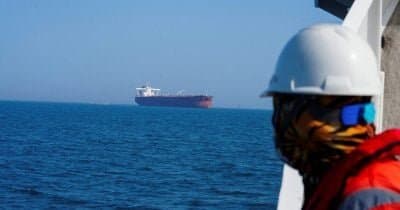
Iran managed to pull in $18 billion from crude oil sales throughout its conflict with Israel and the following ceasefire period. The country earned $11.5 billion during active hostilities and another $6.5 billion after the ceasefire took effect.
In March 2026 alone, Iran shipped around 35.7 million barrels of crude, bringing in $3.63 billion. Over the conflict period, total exports hit nearly 146 million barrels, generating about $11.2 billion despite disruptions caused by the war.
How Iran Circumvented Sanctions and Blockades
During February and March, daily revenues fluctuated between $115 million and $139 million, helped by oil prices soaring to $100 $120 per barrel amid the fighting. However, the US naval blockade tightened its grip by May, pushing daily exports below 300,000 barrels and causing roughly a $6 billion revenue shortfall.
Once ceasefire talks eased the blockade, Iran quickly ramped exports back up to 40 50 million barrels within two weeks. This recovery relied on a shadow fleet of older tankers that covertly transferred oil at sea, making vessel tracking difficult. China emerged as the main buyer, paying a premium of about 20% above benchmark prices to secure shipments.
The Strait of Hormuz closure not only affected Iran's exports but also disrupted global shipping through a vital chokepoint, fueling volatile price swings. The post-ceasefire oil price crash further highlighted how geopolitical events can sharply shift energy market dynamics.
Despite the scale of Iran’s oil dealings, no links have surfaced tying these transactions to crypto or blockchain payment systems. Instead, the exports appear settled through conventional banking channels, likely using Chinese yuan and intermediaries willing to process sanctioned trades.