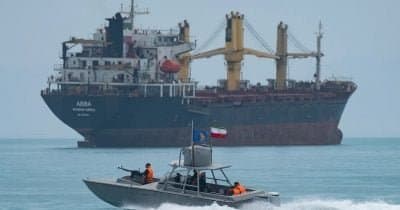
Two ships passed each other in the Strait of Hormuz last week without incident. Routine stuff for most shipping lanes, but here it matters. Iran and Oman are finalizing a joint announcement on maritime operations, according to diplomats tracking the talks. The catch: both sides need to stay out of each other's way while the deal gets hammered out.
The Strait of Hormuz sits at the chokepoint of global energy flows. About 20% of the world's oil passes through those narrow waters. When tensions spike between Tehran and Washington, every tanker moving through gets watched like a hawk. That's why what Iran and Oman do next could ripple across oil markets and shipping insurance rates within days.
The collaboration centers on maritime navigation and services. Translation: they're trying to establish rules that keep commercial shipping moving even when geopolitics gets messy. Oman has played mediator before in regional disputes. This time they're working directly with Iran on a formal arrangement that could reduce friction points on the water.
The reference to "third-party interference" is diplomatic code for the obvious players. Israel conducted strikes in the region recently. The U.S. maintains significant naval presence. Any of those actors could derail negotiations if they perceive the Iran-Oman deal as threatening their interests. Markets are already pricing in the possibility. Prediction markets show climbing odds for U.S.-Iran talks by the end of August, suggesting investors see momentum building despite the fragility.
What happens next depends on whether both governments can actually keep the peace while they negotiate. One official announcement could signal we're moving toward something bigger. One miscalculation could blow it apart.
This is informational material only, not investment or geopolitical advice.