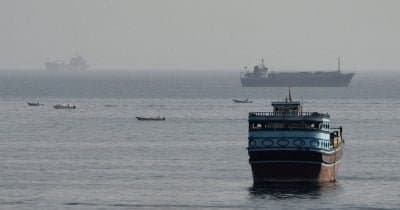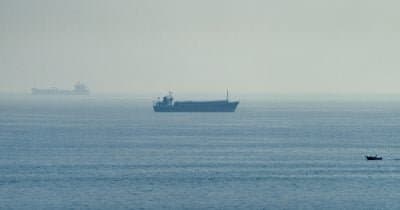
Iran's deputy foreign minister confirmed talks with Oman to build a shared navigation center in the Strait of Hormuz. The move signals a push for maritime coordination in waters that funnel roughly one-third of global seaborne oil. Prediction markets have jumped to 66% odds that a US-Iran agreement materializes by mid-August, reflecting investor confidence in the de-escalation track.
The Strait remains one of the world's most volatile chokepoints. Tensions between Tehran and Washington have spiked shipping insurance costs and spooked energy traders for years. A joint management center would let Iran and Oman monitor vessel traffic together, reducing the friction that could trigger accidental escalation. Neither side has publicly committed to full operational details yet, but the fact that both countries are moving toward concrete infrastructure suggests real momentum.
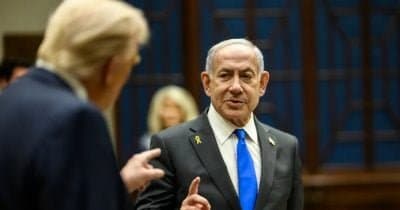
Timing matters here. The August 15 deadline is when markets will reassess whether this diplomatic push holds. If formal agreements drop before then, oil futures could see a sharp repricing downward. Any statement from Iran's Foreign Minister Abbas Araghchi or US officials could tip sentiment either way. The coming days will show whether this is genuine de-escalation or theater.
This material is informational only and does not constitute financial or investment advice. Market predictions reflect trader sentiment, not guaranteed outcomes.