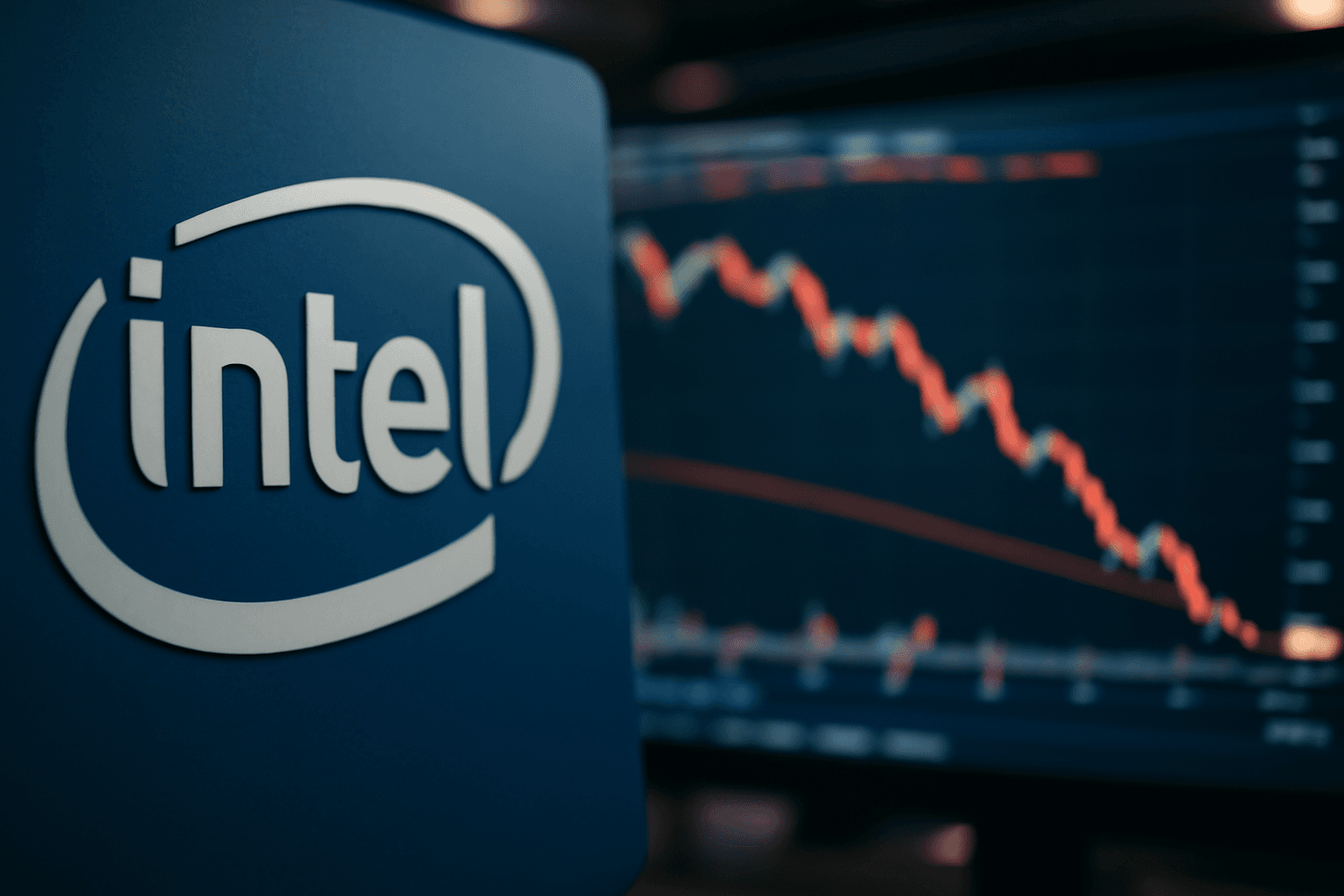
Intel's stock has dropped roughly 28% from its record high of nearly $141 set on June 22, 2026. This sharp retreat comes amid a broad selloff in the semiconductor sector and investors adjusting their positions before Intel’s quarterly earnings report on July 23.
The decline doesn’t signal any immediate operational troubles for the company. Instead, it reflects a rotation out of tech stocks that had surged earlier in the year. Several chipmakers have faced similar pullbacks as market sentiment shifts in July.
Supply Challenges and Foundry Expansion
Supply constraints played a noticeable role in Intel’s recent performance. In the first quarter, revenue hit $13.6 billion, but CFO David Zinsser indicated it could have been substantially higher without production bottlenecks. To address this, Intel is investing heavily in its foundry strategy, expanding clean room facilities to increase manufacturing capacity. This move aims to position Intel as a strong alternative amid global supply chain disruptions affecting other chip producers.
The upcoming earnings report will cast light on second-quarter results. Intel previously exceeded expectations with earnings per share (EPS) of $0.38 on $16.1 billion revenue, beating forecasts of $0.21 EPS and $14.43 billion revenue. Guidance for the next quarter projects revenues between $15.8 billion and $16.8 billion.
Despite the strong outlook, some analysts remain cautious. They warn that even impressive earnings might not halt the stock’s slide, as broader market trends have soured on semiconductor stocks. This sector-wide repositioning could overshadow Intel’s individual gains in the short term.