Institutional players now dominate the cryptocurrency landscape, accounting for over 81% of all trading volume on Coinbase in the fourth quarter of 2025, according to recent data. This marks a dramatic rise from just 20% institutional share back in early 2018, signaling a fundamental shift in the market's makeup.
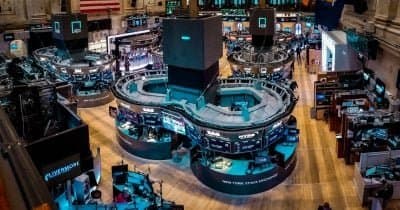
The quarter alone saw $237 billion in volume driven by professional clients, transforming crypto trading from a retail-centric, often volatile space into a more structured environment where Wall Street desks execute block trades during standard business hours.
Rising Institutional Influence Across Markets
This trend extends beyond Coinbase. The CME Group reported record-breaking volumes exceeding 340,000 contracts in Q3 2025, with certain periods experiencing more than a 200% increase in futures and options trading year over year. Morgan Stanley’s expansion through E*Trade also reflects Wall Street's growing commitment, offering competitive fees aimed at attracting cautious investors to digital assets.
Spot Bitcoin ETFs have further boosted institutional demand, attracting net inflows of $75.67 million during a single week in early 2026, highlighting steady interest rather than speculative spikes. As a result, bid-ask spreads have tightened and volatility has started to compress despite remaining above traditional equities, thanks in part to professional market makers supplying deeper liquidity.
Adding to the evolving financial ecosystem, tokenization is gaining traction by allowing real-world assets like US Treasuries to be traded on-chain, generating billions in volume. Analysts project tokenized markets could swell into the trillions by 2030, revolutionizing asset trading.
Coinbase's institutional market share can be attributed to persistent investments in regulatory compliance, insurance, and prime brokerage services that smaller exchanges cannot match. The institutional takeover also means crypto prices are increasingly linked to macroeconomic indicators such as interest rates, employment figures, and geopolitical events.
This content is for informational purposes only and does not constitute financial advice.