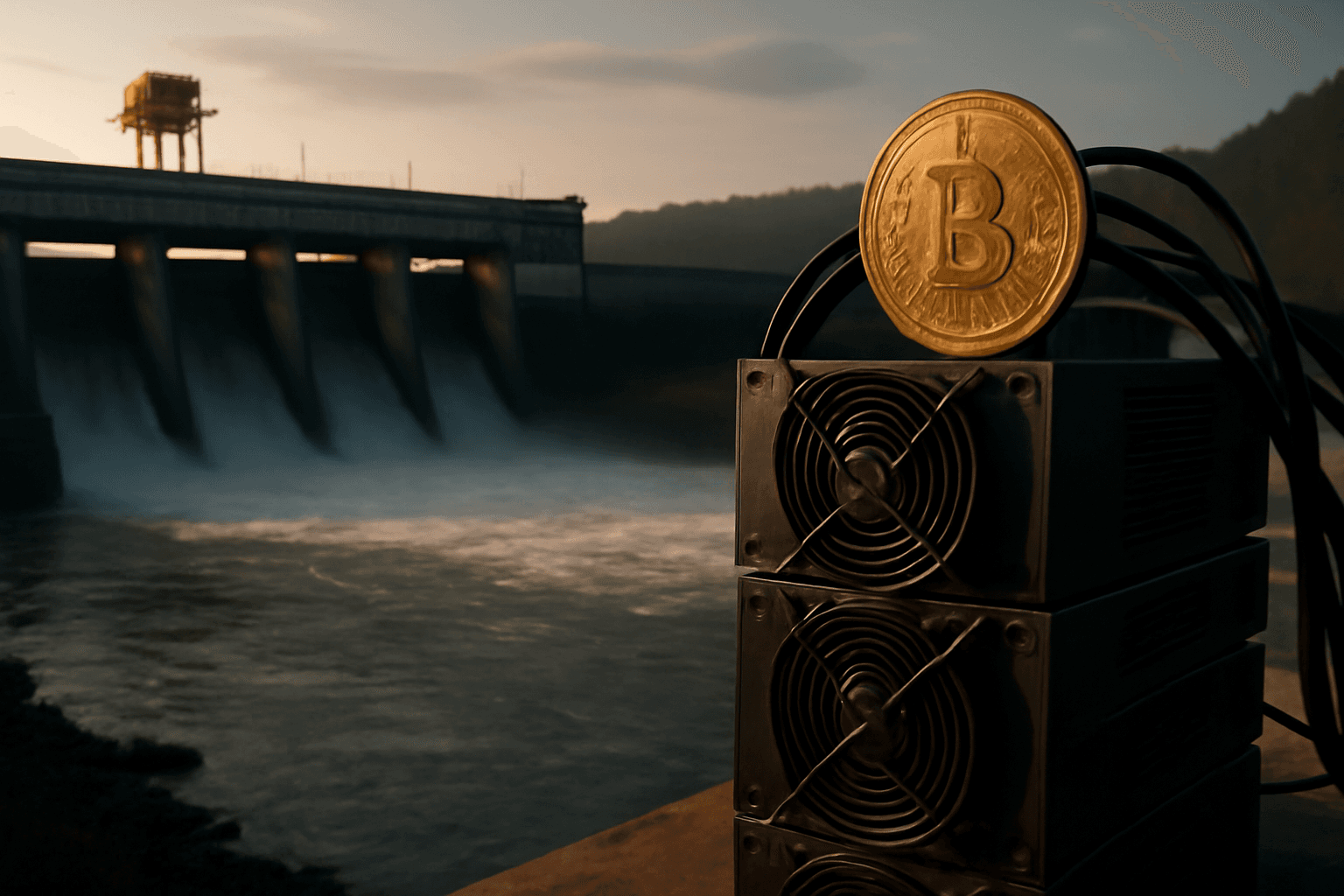
Bitcoin mining's electricity consumption jumped significantly, reaching an annualized 190 terawatt-hours by December 2025, a 38% increase from 138 TWh in June 2024. This surge comes with a notable shift in power sources: hydropower has overtaken natural gas as the primary energy supply for mining operations.
Research shared by Alexander Neumueller from the Cambridge Centre for Alternative Finance at the Energy Investors Forum in Dallas outlines these developments. The report highlights that low-carbon energy now accounts for 59.4% of the mining power mix, up from 52.4% in the previous study. Hydropower's rise is partially credited to expanded mining in regions rich with this resource, like Ethiopia, where the Grand Ethiopian Renaissance Dam offers low-cost electricity.
Power Mix Shifts and Environmental Impact
While hydropower leads, natural gas still represents a significant piece of the energy pie, previously making up 38.2% of electricity usage among surveyed miners. Renewables combined accounted for 42.6%, with nuclear power contributing nearly 10%, and coal dropping sharply to 8.9% from 36.6% in 2022.
The increase in electricity use by 52 TWh over the 18-month span reflects more mining machines joining the network and higher activity levels, but the growth in greenhouse gas emissions was slower. Estimated CO₂ equivalent emissions rose 20%, from around 40 million to 48 million tonnes. This slower rise is linked to the cleaner energy mix miners reported.
Despite these cleaner sources reducing the emissions growth rate, the overall environmental footprint expanded due to the rise in total consumption. The upcoming second edition of Cambridge's Digital Mining Industry Report, expected later in 2026, is anticipated to provide deeper insights into this evolving energy landscape and its implications.