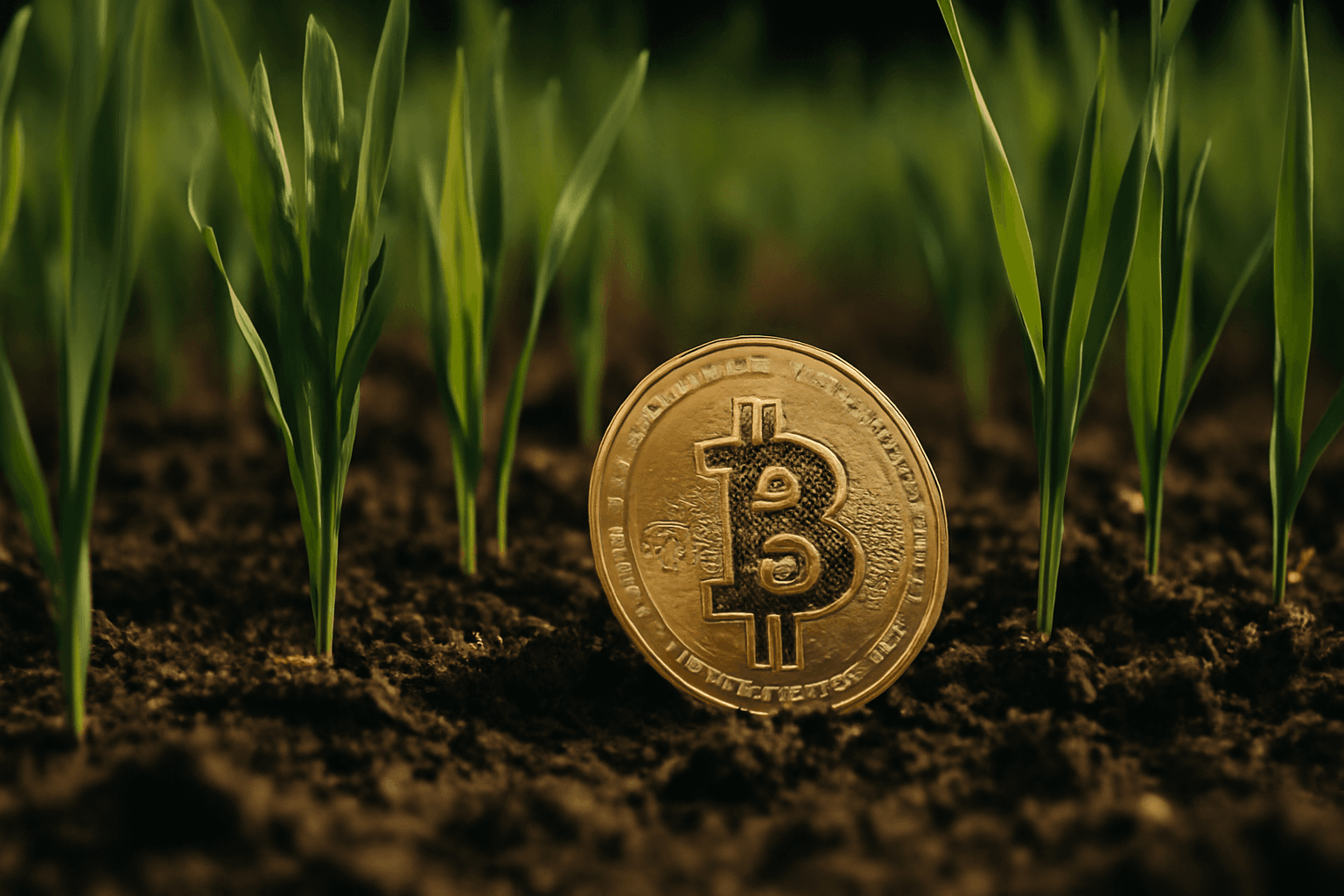
In the summer of 2020, Compound shook up decentralized finance by launching COMP, a governance token distributed to users who lent or borrowed on its platform. This sparked a massive influx of capital as users chased not just base interest but extra rewards, layering returns by moving tokens between protocols. Yield farming, as it was soon called, saw annual percentage yields skyrocket above 1,000% on some platforms, attracting a frenzy of activity.
Back then, the returns were unsustainable and the risks barely understood. Now, three years on, the hype has cooled but yield farming remains a core DeFi activity. It involves putting crypto assets into various protocols to earn fees, interest, or governance tokens, and then reinvesting those rewards to maximize gains.
Modern Yield Farming: From Casual to Complex
Typical sustainable yields in DeFi hover between 3-15% for stablecoin pairs and 10-30% for more volatile assets. Higher advertised rates often include temporary incentives, token inflation, or hidden risks. The term “farming” comes from gaming, where players repeat tasks to build resources. In DeFi, this means constantly redeploying capital to the most profitable opportunities.
Casual farmers might stick to a single platform like Aave, earning steady 4% returns. Meanwhile, professional yield farmers juggle multiple protocols across several blockchains, use automated strategies to compound rewards hourly, and hedge risks with options, targeting 12-20% yields. This requires constant attention to smart contract vulnerabilities and market shifts.
While the fever of DeFi Summer has passed, yield farming evolved from a speculative craze into a sophisticated financial strategy. It remains a defining feature of decentralized finance, where capital is actively managed to squeeze out the best returns amid complex trade-offs.
This article is for informational purposes and does not constitute financial advice.