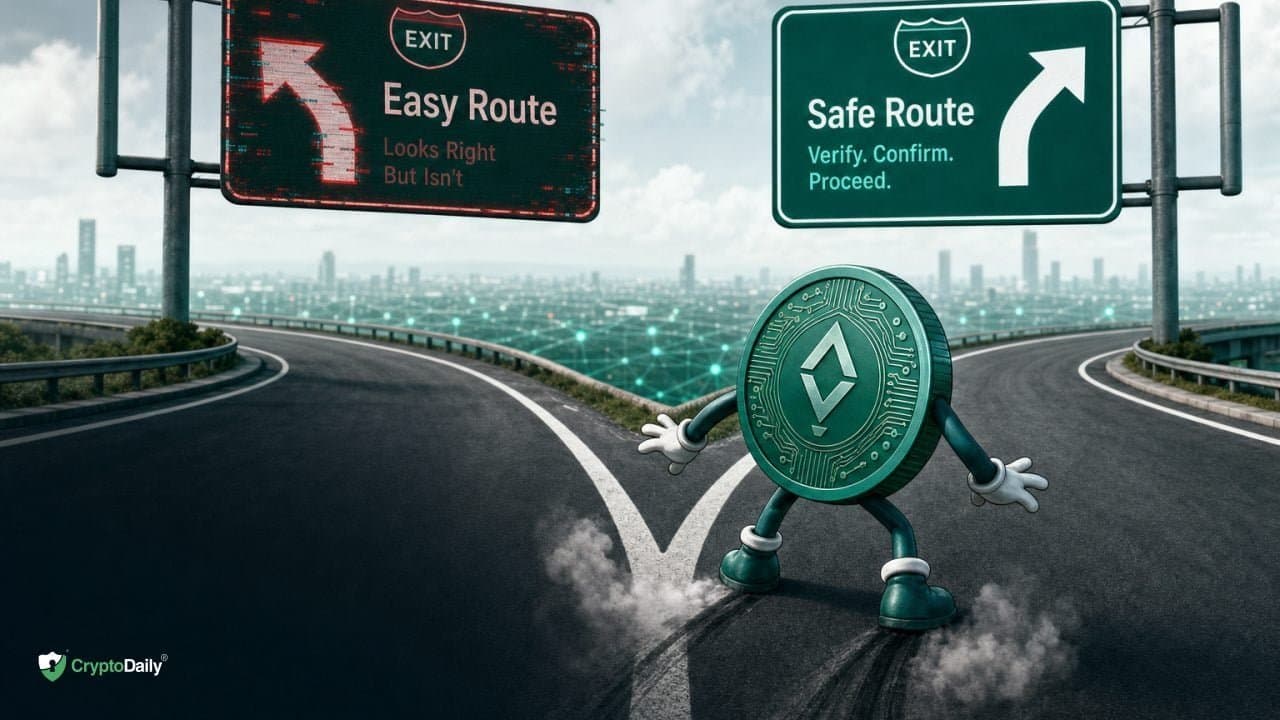
You think you’re sending tokens to a trusted address, but they vanish into a nearly identical fake. No hacks, no breaches just a cleverly poisoned transaction history fooling you into copying a lookalike address. This sneaky tactic, known as address poisoning, has quietly exploded across blockchains with cheap gas fees where users hurry through payments.
Attackers bank on human habits and wallet design quirks. Instead of cracking wallets directly, they send tiny or zero-value transactions from vanity addresses that mimic the first and last characters of legitimate addresses. These fake entries show up in your recent transactions or wallet history, tricking you when you reuse addresses. The damage is invisible until it’s too late.
In early 2026, traders and operators from London to Nairobi reported mysterious losses without any traditional hacks. Investigation revealed histories cluttered with dusted lookalikes, especially on networks like Base that saw a memecoin boom. The response has been cautious: strict address books, test transactions, and, most importantly, calls for wallets to redesign user experience so that the safest option is also the easiest.
Address poisoning preys on shortcuts. Wallets often abbreviate addresses, showing only a handful of characters at the start and end. Users rarely save contacts, relying on copy-paste from recent transactions. Attackers exploit this by planting fake addresses through dusting transactions that blend in unnoticed. Unlike dusting attacks of the past aiming to deanonymize users, this new wave uses dust as a delivery method for deception.
Binance Academy updated its warnings in mid-2026, explaining how tiny, zero-value transfers are weaponized to implant lookalike addresses in user histories, setting traps for the next payment. This social-engineering style attack thrives on routine, turning convenience into vulnerability.
As blockchain activity accelerates and gas fees drop, address poisoning is an emerging threat that demands attention. Wallet developers face pressure to rethink interfaces, educators push for awareness, and users must stay vigilant. Until safer defaults become standard, testing payments and maintaining verified address books remain the only sure shields.
This content is for informational purposes and does not constitute financial advice.