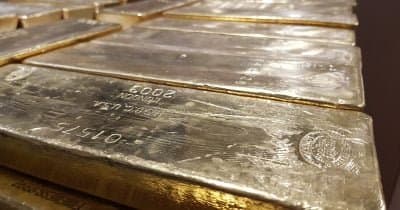
Gold prices have taken a hit recently, even though oil prices crossed the $100 mark per barrel. The twist lies in how rising rate hike expectations from the U.S. Federal Reserve are reshaping investor behavior. Gold, a traditional safe haven, is losing some luster as borrowing costs loom larger, making non-yielding assets less attractive.
Fed Rate Hike Expectations Weigh on Gold
Markets had been pricing in a modest 30% chance of a Federal Reserve rate increase in July, but that probability shot up to 80% by September. This shift is key because higher interest rates increase the opportunity cost of holding gold, which does not provide yield or dividends. When rates rise, cash and bonds tend to become more appealing alternatives. Consequently, gold's price has softened amid these growing rate hike bets.
Oil Prices Cross $100, Adding Inflation Pressure
Meanwhile, Brent crude surpassed $100 per barrel, signaling persistent inflation worries. Higher oil prices often translate into increased costs across the economy, thereby sustaining inflationary pressures. This dynamic reinforces the Fed's hawkish stance, suggesting they may continue tightening monetary conditions to keep inflation in check.
The interplay between these factors is key: while rising rates hurt gold, they aim to tame the inflation partly driven by expensive oil. Investors find themselves navigating this complex environment where commodities move on different trajectories.
What Lies Ahead for Markets
Attention remains fixed on upcoming Federal Reserve meetings, which will clarify how aggressively interest rates might rise. Should the Fed confirm rate hikes, gold prices could face further downward pressure. At the same time, unexpected shifts in global economic conditions or central bank policies could alter this outlook.
Recent trends in related markets show similar patterns. For instance, massive XRP whale purchases suggest appetite in other asset classes despite volatility, highlighting diverse investor strategies amid tightening monetary policy.