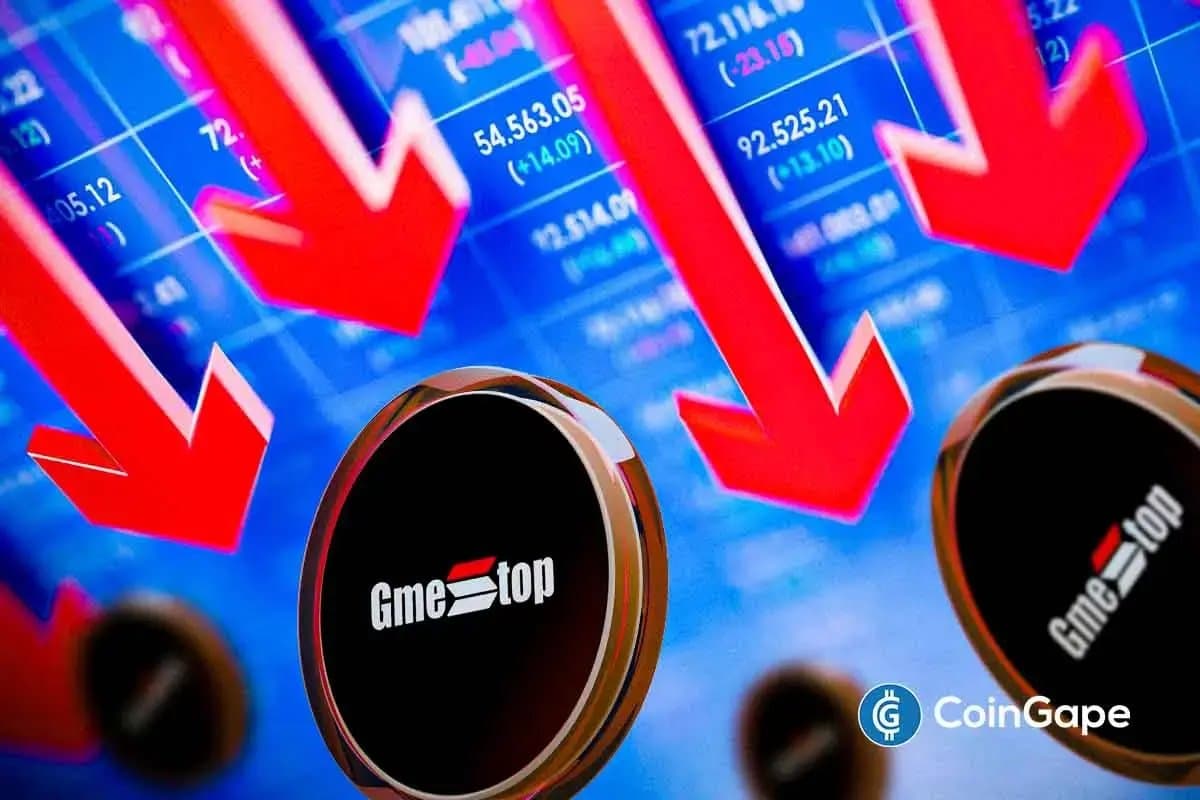
GameStop dropped 10% on Monday. The retailer swapped $1.4 billion in debt for freshly minted common shares, a move that sent holders scrambling for the exits. This wasn't a surprise announcement, but the market's reaction underscored one brutal reality: when a company prints new shares to erase debt, existing shareholders get watered down.
The Dilution Problem
Converting debt into equity sounds clean on paper. GameStop avoids near-term cash burn and reduces interest obligations. But the cost is immediate and visible. More shares in circulation means each old share represents a smaller slice of the company. Investors priced that in fast. The stock hit its lowest level of 2024 after the announcement, with some traders flagging technical support around $18.70. Resistance sits near $20.30 if any bounce materializes.
What Happens Next
GameStop faces a narrowing window. The company still bleeds cash from its core retail business, and debt conversion only delays the harder questions about turning operations profitable. Institutional holders likely knew this deal was coming, but retail investors caught off guard got hit where it hurts. The stock needs volume and conviction to hold current levels. Without a catalyst beyond debt management, expect continued pressure until management signals actual business improvement, not just financial engineering.
This analysis is informational only and should not be construed as investment advice. Market movements in individual stocks carry significant risk.