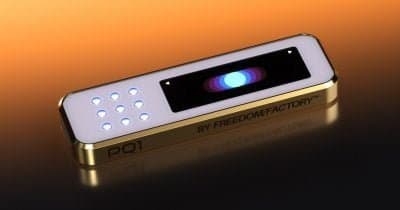
Freedom Factory’s new PQ1 hardware wallet is more than just quantum-resistant. The standout feature: users can copy its open-source firmware into AI tools like ChatGPT or Claude to independently confirm the device’s integrity. This flips the typical hardware wallet model on its head, democratizing security audits without requiring deep technical expertise.
Open-Source Transparency Meets AI-Powered Verification
Most hardware wallets keep their software closed or only partially open, forcing users to trust manufacturers blindly. PQ1 takes a different route. Both its firmware and hardware designs are fully open-source. This transparency is paired with a user-friendly eight-word verification process designed to cross-check firmware authenticity. Instead of relying solely on expert audits, Freedom Factory encourages users to use AI assistants for this task. Anyone can paste the firmware code into an AI model, which then highlights potential vulnerabilities or anomalies.
Quantum-Resistant Security at the Core
PQ1 is built with the SPHINCS+ signature algorithm, a post-quantum cryptography standard endorsed by NIST. Unlike conventional wallets that use elliptic curve cryptography (ECDSA) vulnerable to future quantum attacks PQ1 fully commits to post-quantum methods without fallback to legacy schemes. The device also incorporates dual secure elements certified at EAL6+, surpassing most competitors who settle for EAL5+. An added layer of security is seed XOR-splitting, distributing recovery keys across both chips so breaching one won't expose the whole seed.
Targeted at Ethereum and EVM-compatible chains, the $179 wallet is already accepting pre-orders with shipments expected by late 2026. Buyers can pay in crypto through daimo.com or fiat via Stripe, reflecting growing adoption of hybrid payment options.
This is informational content and not investment advice.