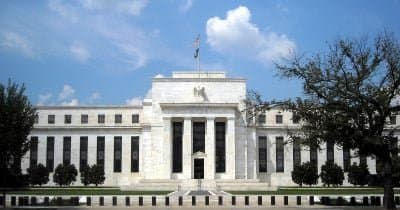
Bitcoin hovered around $64,000 in July, grappling with macroeconomic uncertainty after the Federal Reserve decided to hold interest rates at 3.50 3.75%. This pause follows a string of rate cuts last year but comes with a clear message: inflation isn't backing down as expected.
The Fed’s latest forecasts paint a tough picture. They bumped up their Personal Consumption Expenditures inflation projection from 2.7% to 3.6%, signaling they no longer expect price growth to hit the 2% target anytime soon. That’s a major shift, showing the central bank’s cautious stance going forward.
While June’s Consumer Price Index offered some relief a 0.4% drop month-over-month this short-term cooling clashes with the Fed's medium-term outlook that sees inflation rising again. In simpler terms, prices might be easing up right now, but the overall trend remains stubbornly high according to the Fed’s models.
This tug of war influences crypto markets directly. Bitcoin and Ethereum trimmed 2 to 4% after the June Fed meeting, reflecting investors' reaction to an environment where high interest rates make bonds more attractive compared to volatile digital assets. When yields on government securities actually outpace inflation, the lure of stable returns pulls money away from riskier bets like crypto.
also a strong dollar tends to weigh on Bitcoin’s appeal since cryptocurrencies often move inverse to the greenback. This dynamic puts crypto traders in a tough spot as the Fed signals a longer stay in restrictive monetary policy territory.
For the crypto community, this means carefully watching upcoming Fed moves, as any shift could quickly sway prices. The stakes remain high, especially after recent analysis of the Fed’s impact on Bitcoin underscored how intertwined these markets have become.
This article is for informational purposes only and does not constitute financial advice.