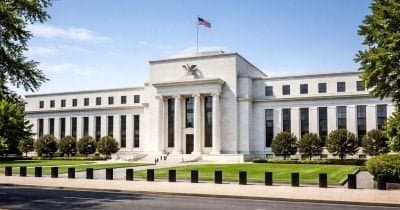
Mary Daly, who runs the Federal Reserve Bank of San Francisco, just made a straightforward call: the labor market isn't pushing inflation higher. That matters because it changes how the Fed thinks about rate cuts. If jobs aren't the problem, the central bank has more room to ease policy without reigniting price growth.
Right now unemployment sits at 4.2%, and hiring in the private sector is holding steady. Inflation still hovers above the Fed's 2% target, but Daly's view suggests the pressure isn't coming from wage growth or tight labor conditions. The current restrictive rate stance, she's implying, can stay in place without fear that a hot job market will blow up prices.
What shifts with this signal
Daly's comments arrive amid growing chatter about when rate cuts might actually happen. Markets have been pricing in moves later this year, and statements like hers help investors figure out whether the Fed is ready or still holding. By separating labor market dynamics from inflation concerns, she's signaling that the Fed can focus on bringing down prices without worrying that loosening policy will immediately spark wage-driven inflation spirals.
July inflation data is coming soon, and that number will test whether Daly's read holds up. If prices really have cooled and the job market truly isn't the culprit, the September meeting becomes the real key moment. Jerome Powell and the FOMC will have fresh ammunition either to cut or to stay pat.
The market implication
Traders are treating this as confirmation that inflation expectations should come down. A labor market that's stable but not overheating is exactly the scenario that lets central banks shift from fighting prices to protecting employment. That's the endgame most portfolios are betting on.
This article is informational and does not constitute financial advice. Market conditions change rapidly, and individual circumstances vary widely.