US 10-year Treasury yields have stabilized around 4.45%, but could drop below 4.25% by year-end if inflation continues easing, signaling a shift that’s drawing close attention from investors in bonds and cryptocurrencies alike.
Warsh's firm inflation target reshapes market expectations
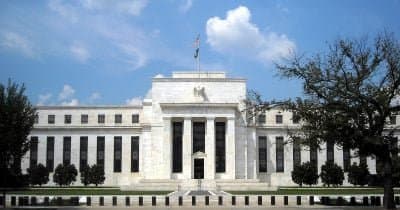
Since taking office on May 22, 2026, Federal Reserve Chair Kevin Warsh has emphasized a strict commitment to the 2% inflation goal, making it clear this is non-negotiable. In early July, Warsh declared a "no tolerance" policy on persistent price rises, pledging to end recent inflation surges. His approach contrasts with previous Fed chairs, signaling a tougher monetary stance in the near term.
June’s Consumer Price Index showed a softer-than-expected inflation reading, which Warsh described as a positive development. Yet he warned against premature celebration, keeping the markets cautious about near-term policy moves. Warsh also established task forces to review how inflation is measured, an initiative that could alter inflation data frameworks and market perceptions down the road.
Bond yields and mortgage rates face downward pressure
The US 10-year Treasury yield acts as a benchmark affecting everything from corporate debt costs to home loan interest rates. Its recent range near 4.41-4.5% reflects cautious optimism around inflation. If the Fed’s inflation commitment convinces investors that prices will stay near target, the inflation premium baked into bond yields shrinks. That dynamic drives bond prices up and yields down, which can translate into lower mortgage rates.
For homeowners and potential buyers, this means the possibility of more affordable borrowing costs if the yield decline holds. However, Warsh has not signaled any imminent easing in short-term monetary policy, underscoring a cautious approach despite encouraging inflation data.
Crypto markets respond to changing yield environment
Lower yields on US Treasuries reduce the opportunity cost of holding non-yielding assets such as Bitcoin. As a result, crypto tends to benefit when safe asset returns dip, as investors seek higher-risk, higher-reward opportunities. The softer inflation report and Warsh’s hawkish tone have already influenced Bitcoin price movements and ETF flows, according to crypto media observations.
Warsh’s inflation measurement review adds another variable for crypto investors to monitor. Changes in inflation calculations could reshape expectations and market behavior in ways not yet priced in. Tracking the 10-year Treasury yield’s trajectory toward or below the 4.25% mark by year-end will be key for understanding risk asset performance, including crypto.