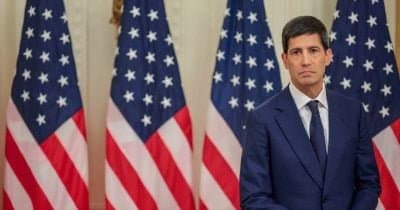
Federal Reserve Chair Kevin Warsh kept interest rates steady at 3.5% to 3.75% on July 29, 2026. At first glance, this looks like a pause in tightening, yet his tone had an outsized impact on financial markets. Long-term Treasury yields climbed, signaling market expectations of a tougher monetary path ahead.
Market Moves Defy the 'Pause'
The FOMC voted 9-3 to hold rates, with three members pushing for hikes. Warsh deliberately avoided the word "pause," calling the decision a "rigorous review" of economic conditions instead. That subtle language shift matters because it signals the Fed is far from done raising rates. Short-term borrowing costs stayed flat, but longer maturities jumped as investors priced in persistent inflation risks and future Fed action.
Long-term yields drive borrowing costs for mortgages and businesses, so their rise effectively tightens financial conditions more than a steady rate would suggest. This paradox challenges risk assets, which must grapple with both steady short rates and rising longer-term costs.
Warsh’s Hawkish Messaging and Its Implications
In just two months as Fed chair, Warsh’s blunt statements stand out. His remark that "prices are too high" broke from typical Fed hedging, underscoring his commitment to fighting inflation aggressively. The split vote also reveals that some policymakers want a quicker path to hikes, pushing the committee’s stance into a more hawkish territory.
This shift contrasts with previous Fed chairs’ communications and hints at a potentially tougher economic landscape ahead. Markets will be watching closely how this rhetoric influences upcoming policy moves and financial conditions. Meanwhile, crypto and other risk markets are likely to continue feeling the pressure from these longer-term rate signals.
This material is for informational purposes only and does not constitute financial advice.