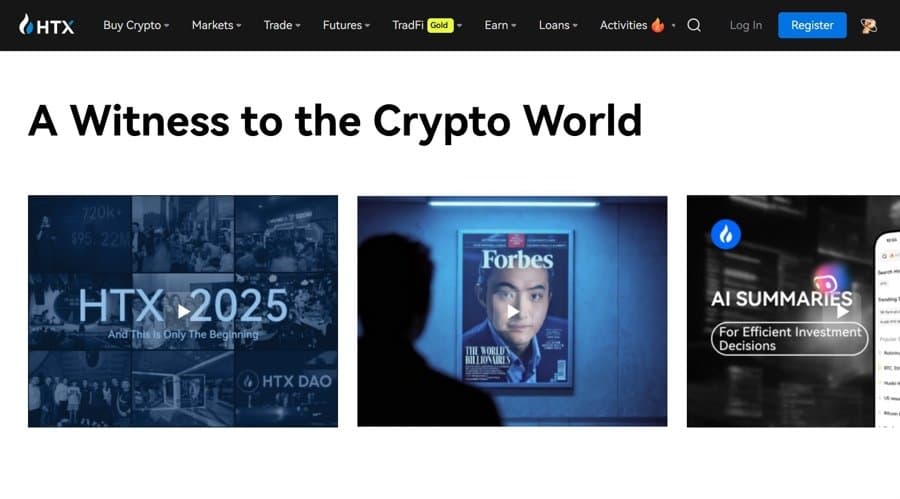
The European Union has included cryptocurrency exchange HTX in its latest sanctions package targeting Russia, intensifying efforts to disrupt financial channels that allegedly help Moscow evade existing restrictions. This move, finalized on Thursday, expands the EU’s clampdown on Russian banks, crypto services, oil traders, and shadow fleets.
HTX is among 18 crypto-related entities flagged by the EU for facilitating sanctions circumvention by Russian users amid the ongoing conflict in Ukraine. The EU’s decision follows similar action taken by the UK in May, when British authorities imposed sanctions on HTX alongside 17 other crypto companies believed to support Russia’s economy.
One company affected by those earlier UK sanctions, EXMO, reportedly began winding down operations after losing access to custodial and banking services. The EU’s fresh restrictions shows Western governments’ growing insistence on enforcing sanctions through the digital asset sector, aiming to block alternative transaction routes outside traditional financial systems.
Founded in China in 2013 under the name Huobi, HTX is now controlled by Hong Kong entrepreneur Justin Sun, who acquired a majority stake in 2022 but remains labeled as an "advisor" by the company. Sun has been linked to cryptocurrency ventures such as World Liberty Financial, co-founded by former US President Donald Trump and his sons, though recent reports suggest their ties have weakened.
HTX has actively pushed institutional adoption through partnerships and investments, including collaborations with BitGo for cold storage solutions and IBEX to grow Bitcoin’s Lightning Network in emerging markets. Despite outreach from media sources, HTX had not responded to requests for comment regarding the EU sanctions by publication time.