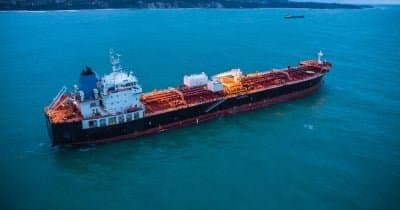
“We’ve managed to keep our ships moving despite the risks,” said a shipping insider familiar with China’s strategy in Yemen. While most fleets divert around Africa to avoid Houthi missile threats, Beijing has quietly negotiated with Yemen’s rebels to secure safe passage for its supertankers through the Bab el-Mandeb Strait. This narrow but critical choke point links the Red Sea to major global shipping lanes and has become a hotspot for attacks on vessels connected to Western countries.
The arrangement, forged through diplomatic talks in Oman back in early 2024, isn’t a formal treaty but a practical understanding. Chinese-flagged tankers receive permissions from Houthi authorities to pass, even when tensions flare and other ships are forced to reroute or face attacks. On July 23, 2026, the Cosco Shipping mega-tanker Xin Long Yang carried about two million barrels of Saudi crude oil safely through these dangerous waters. This feat stands out because the Houthis have openly targeted tankers linked to Saudi Arabia, the US, Israel, and the UK, yet Chinese and Russian vessels enjoy a de facto safe corridor.
The deal isn’t without hiccups. Some Chinese ships encountered Houthi warnings and had to turn back between July 21 and 26, demonstrating the precarious nature of the route. Still, this selective access has ripple effects beyond shipping. With nearly 10% of the world’s seaborne oil passing through this strait, disruptions have pushed crude prices above $100 per barrel. The surge is a direct response to escalating threats around this critical maritime passage.
Energy markets and crypto sectors sensitive to oil prices are feeling the impact, as higher fuel costs ripple through global trade and production expenses. This situation shows how geopolitical maneuvers and regional conflicts can swiftly reshape commodity flows and market dynamics.
This content is for informational purposes and does not constitute financial advice.