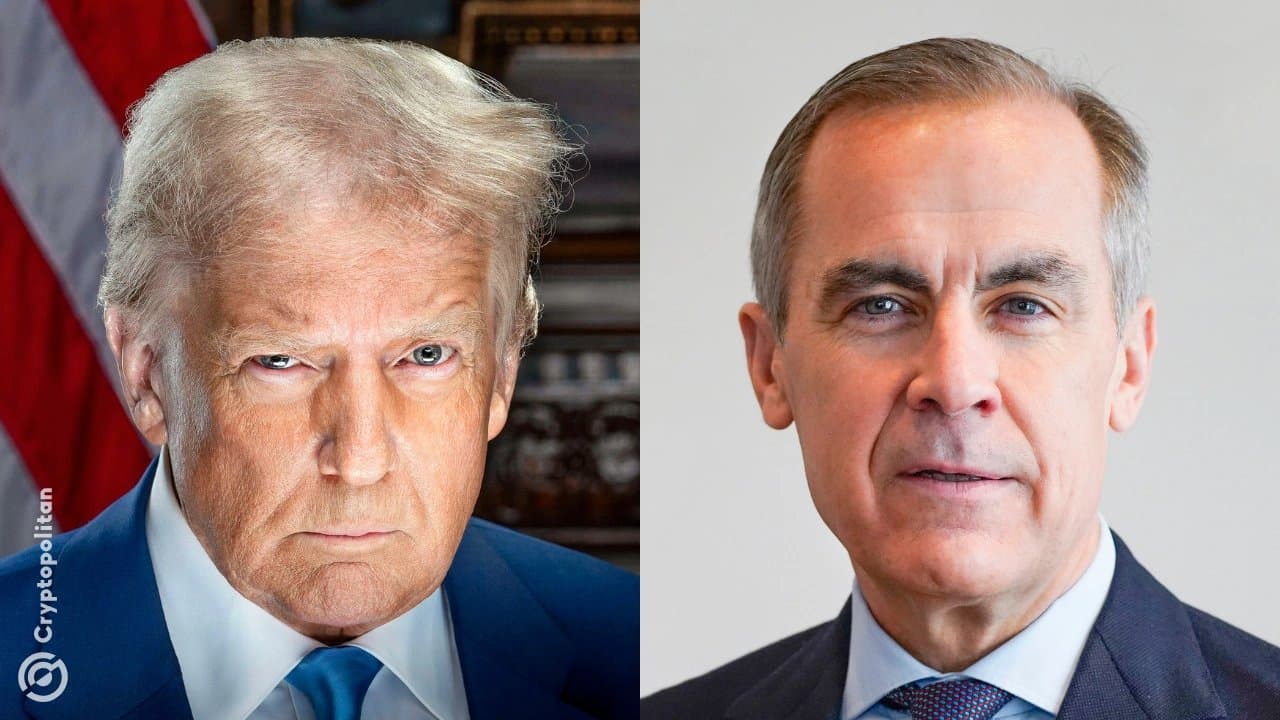
Canada faces potential tariffs on about C$20 billion worth of goods from the United States, prompting Prime Minister Mark Carney to vow a strong defense for Canadian workers and businesses. The announcement of 50% tariffs by the Trump administration targets everyday items and industrial products but spares key resource sectors, shaping the political and economic response within Canada.
Carney’s Message to Provinces and Negotiators
Speaking at a Council of the Federation meeting with provincial and territorial leaders, Carney labeled the US tariff threat "unwarranted" and emphasized Canada’s readiness to do "whatever it takes" to protect its economy. He urged patience as negotiations continue, noting that preemptive retaliation would be ineffective for now. Instead, Carney highlighted the importance of diversifying trade partnerships beyond the US and shoring up industries vulnerable to American tariffs. His direct phone conversation with President Trump this week led to an agreement to accelerate talks, leaving Canada roughly 27 days to find a resolution before tariffs could kick in on August 19.
Tariff Targets and Sector Reactions
The US measures target consumer goods such as wine and hockey sticks, and industrial materials including cement, citing unfair treatment of American products by Canada. However, energy exports, potash, critical minerals, and fish products are excluded from the tariffs, which limits potential damage to major Canadian resource provinces like Alberta and Saskatchewan. This selective targeting partly explains why Alberta Premier Danielle Smith calls for restraint, while Ontario Premier Doug Ford advocates for a stronger countermeasure. The contrasting provincial stances reveal the challenge Ottawa faces balancing economic and political considerations amid escalating trade tensions.