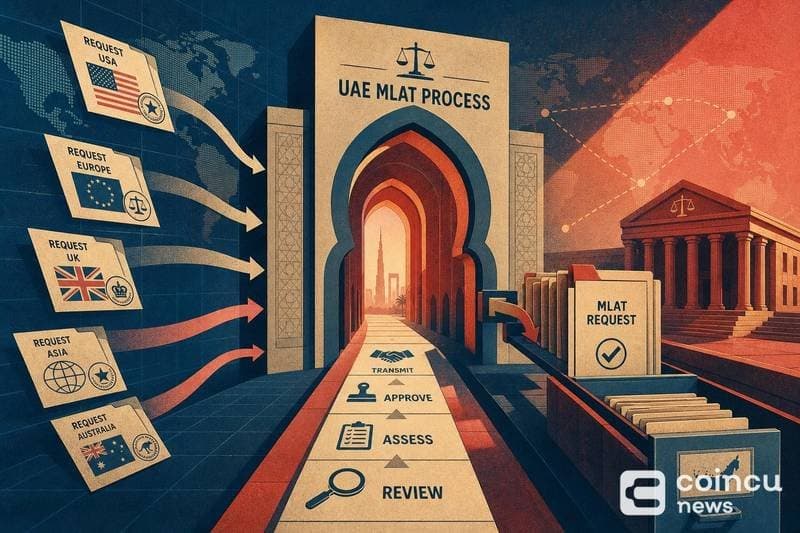
Binance introduced a new rule in April 2025 that reroutes most international law enforcement requests through the UAE government, significantly delaying access to user information. According to a report by The New York Times, investigators say this policy change complicates efforts to track down fraudsters and block illicit funds.
What Changed and Why It Matters
The world’s largest crypto exchange now channels the majority of foreign requests for user data through Mutual Legal Assistance Treaties handled by the United Arab Emirates, where Binance holds regulated status via Abu Dhabi Global Market. This redirection forces law enforcement agencies in Europe and the US to navigate slow bureaucratic channels rather than obtaining data directly from Binance. Officials at a June conference in the Netherlands described these hurdles as frustrating and detrimental to timely investigations, especially in money laundering and scam cases.
Binance’s Response and Law Enforcement Concerns
Binance defends the policy, claiming it aligns with standard procedures expected from regulated financial institutions and insists their cooperation with authorities remains solid. The exchange still handles urgent cases directly, such as those involving terrorism, child sexual abuse material, or imminent threats to human life. However, prosecutors express concern. Brooklyn Assistant District Attorney Alona Katz stressed the impact of timing, stating, "How fast you get your records determines the outcome of your case." Critics argue the policy shift effectively hampers the ability to freeze or seize assets quickly, complicating crime fighting in the crypto space.
This content is for informational purposes only and does not constitute financial advice.