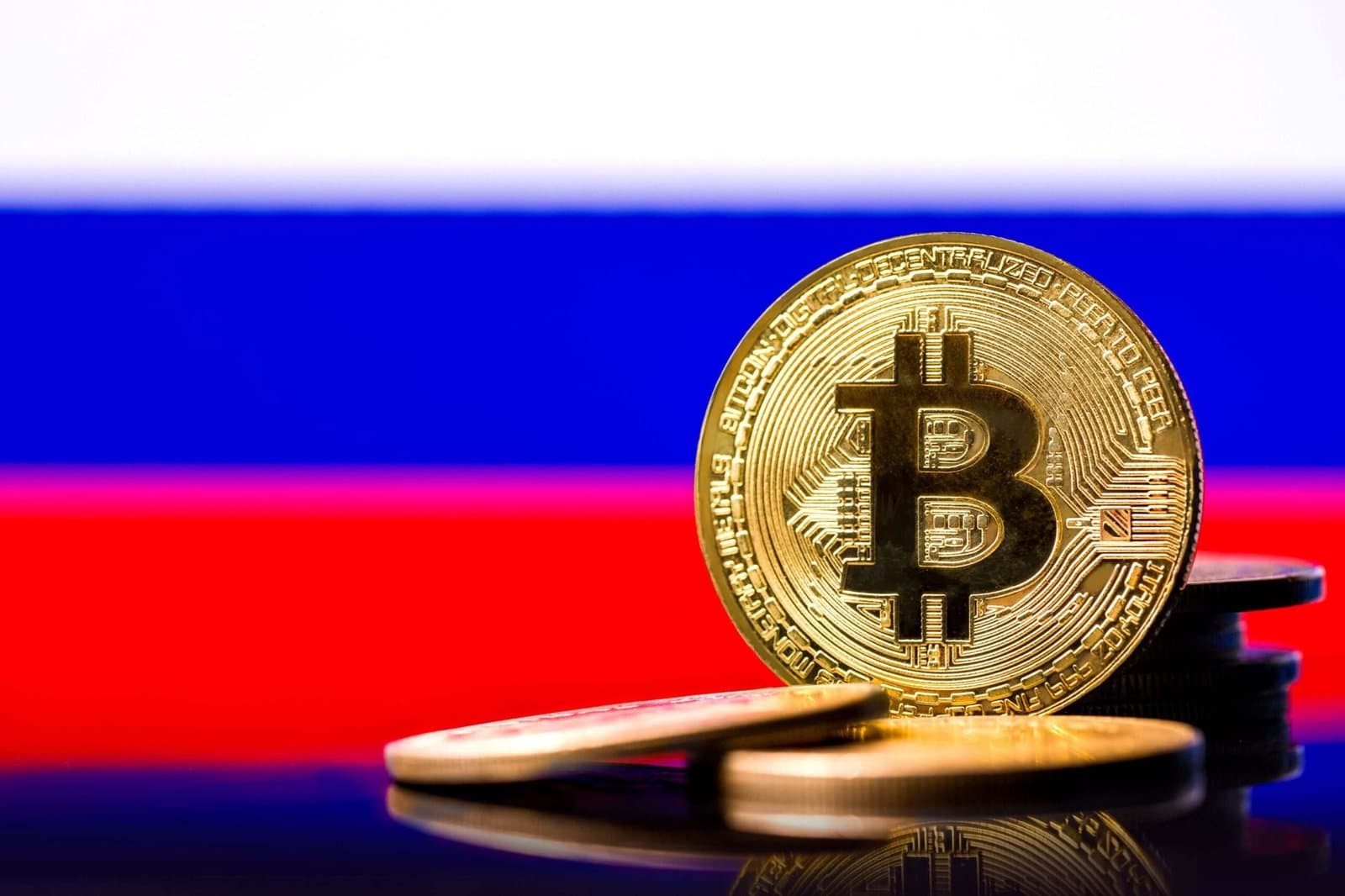
The Bank of Russia has rolled out draft guidelines aimed at structuring organized cryptocurrency trading. These rules would make crypto exchanges responsible for setting internal trading policies and calculating key pricing metrics. The move signals Russia’s push to bring crypto under formal oversight while the government’s ban on crypto payments remains intact.
Under the draft, exchanges must disclose trading information and share market data with the central bank. They would also have the authority to suspend trading when necessary. Meanwhile, a new category called "digital depositories" would be established to handle record-keeping for digital currencies and rights, managing ownership and accounts much like traditional securities depositories.
Capital Requirements for New Crypto Entities
These digital depositories face minimum capital requirements ranging from 50 million to 250 million rubles, approximately $640,860 to $3.2 million, depending on their functions and whether they engage with open distributed ledgers or settlement services. The capital must predominantly consist of liquid assets with high credit quality. Similar financial rules would apply to electronic platform operators who facilitate transaction settlements on behalf of digital asset holders.
The Bank of Russia is still gathering feedback from the public to refine these proposals before any formal adoption. This regulatory effort reflects a cautious but clear step toward integrating cryptocurrencies into Russia’s financial system while keeping strict controls on payment uses.
This is informational content, not investment advice.