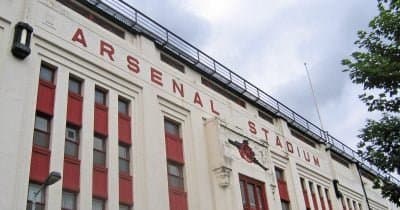
"The scoreline doesn't matter," some crypto investors insist when their team loses. Arsenal's supporters holding $AFC tokens learned that lesson the hard way in Dublin. The Gunners fell 2-0 to Real Betis on August 5, with Colombian midfielder Nelson Deossa scoring in the 26th minute to seal a pre-season friendly that exposed a wider tension in sports-crypto partnerships. When a club's on-field performance wobbles, so does sentiment around its digital assets. Betis had no official fan token to complicate matters. Arsenal did.
The $AFC token launched back in 2021 through Socios.com on the Chiliz blockchain, where it joins fan tokens for over 70 sports organizations globally. The token has a fixed 40 million supply and lets holders vote on minor club decisions and unlock exclusive perks. Chiliz itself has funneled more than $700 million into the sports industry since launch. Deossa, who arrived at Betis from Monterrey in August 2025 for roughly €11 million to €14.5 million with a contract through 2030, has already built an NFT presence on Panini LaLiga Select and Sorare, where his real-world performance feeds digital card valuations. The infrastructure exists. The question is whether it actually drives fan engagement when results turn sour.
Technical migrations planned for the Chiliz chain in 2026 could reshape how these tokens function across the entire ecosystem, potentially adding utility beyond voting on kit colors or stadium snacks. For crypto investors tracking the sports space, the Dublin loss matters less than whether Arsenal announces concrete expansions of $AFC's utility. Holders should watch for announcements from the club or Socios that move beyond basic polling into something fans actually want. Pre-season friendlies come and go. Token mechanics that stick around, though, those are what separate a gimmick from a real digital asset. Right now, Arsenal's token is waiting to prove it's the latter.
This article is informational only and does not constitute financial advice. Crypto assets and fan tokens carry significant risk, including total loss of investment.