Apple’s upcoming Home Hub, set for release in October 2026, promises a smooth smart home experience through its 7-inch display that recognizes faces and tailors the interface instantly. But this convenience is colliding with legal challenges that have already caused other companies to pull back.
Apple’s promise of privacy hinges on biometric data being processed only on the device itself, not stored in the cloud. However, the Home Hub’s ambient facial recognition echoes features from Amazon’s Ring and Google’s Nest that are currently under intense legal scrutiny. Despite Apple’s focus on local processing, regulations are increasingly concerned with the act of scanning itself, regardless of data storage.
The Legal Trap of Ambient Biometrics
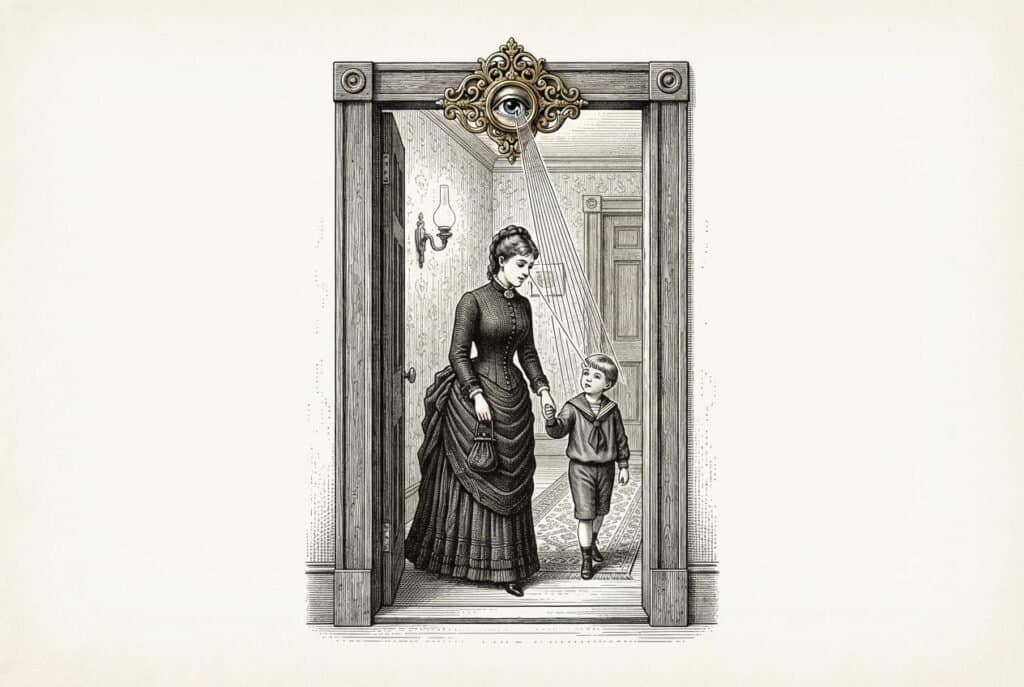
Apple has long relied on a 2022 Illinois appellate court decision in Barnett v. Apple Inc. to defend its Face ID technology. In that case, the court ruled that since biometric data never left the device’s Secure Enclave and users initiated the scan themselves, Apple did not violate the Biometric Information Privacy Act (BIPA). But the Home Hub is a different beast. Unlike a phone, it passively scans everyone in a shared space the people who live there, guests, and even strangers without explicit consent. This shift undermines the Barnett defense.
Researcher Travis Gilly highlighted this issue in a February 2026 paper, calling it a “Compliance Impossibility.” He explains that continuous ambient biometric systems fundamentally conflict with BIPA’s rules requiring written consent and transparent data policies. You simply can’t get written approval from every person who walks into a kitchen or living room. The legal system is catching up, with lawsuits like Sigwalt v. Amazon and Fennessy v. Google actively challenging these features.
The pressure is mounting on the smart home industry as more courts weigh in on the limits of biometric surveillance. Apple’s Home Hub sits at the center of this controversy, its promising technology caught between user convenience and privacy laws that don’t easily accommodate ambient sensing.
This article is for informational purposes and does not constitute financial advice.