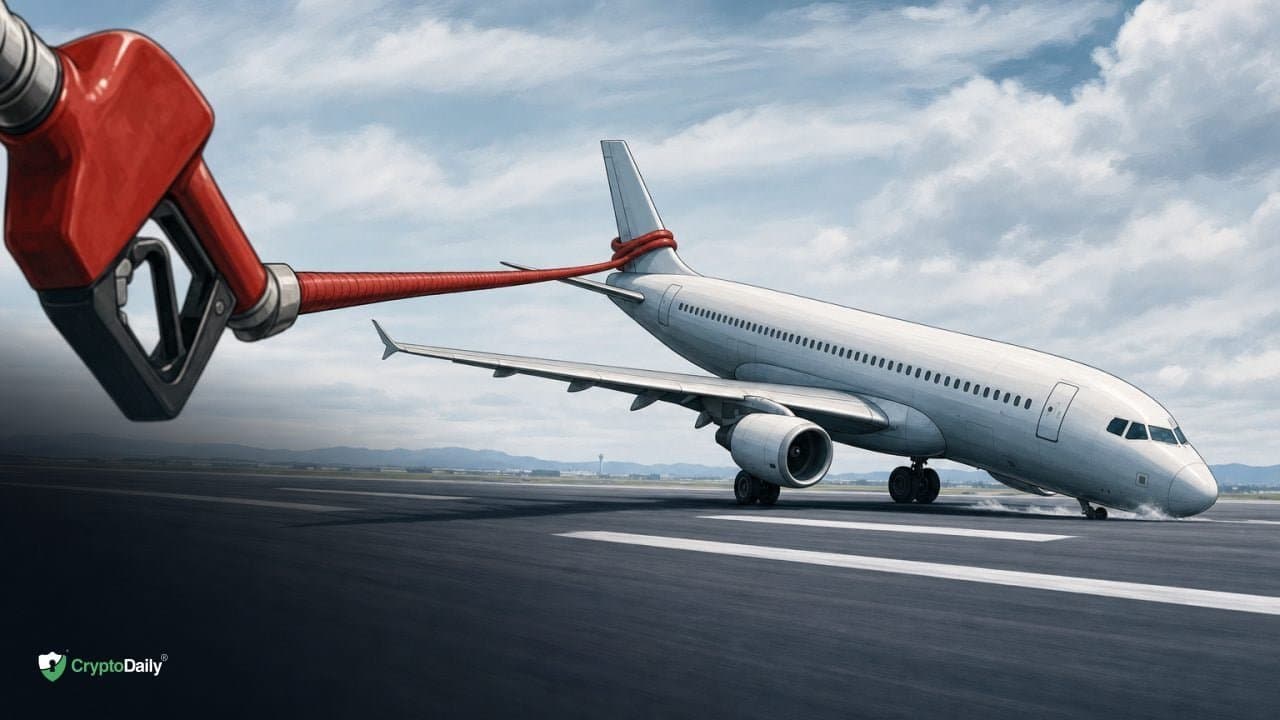
American Airlines recently adjusted its 2026 earnings outlook downward. This shift caught investors’ attention, driving the stock down about 4% in premarket trading on July 23. The reason isn’t a drop in passenger demand, but soaring fuel costs that are squeezing profits.
In the second quarter of 2026, American paid an average of $4.05 per gallon for jet fuel, a significant increase from previous periods. This sharp rise pushed their fuel expenses up by 83.3% year over year, totaling nearly $4.9 billion just for aircraft fuel and related taxes. Even with a strong cash reserve of $11.3 billion by quarter's end, the company’s margins are under pressure.
Looking ahead to the third quarter, the airline expects jet fuel prices to settle at around $3.75 per gallon according to the July 21 forward curve. Despite this slight easing, fuel costs are forecasted to be about $1.7 billion higher than last year for the same period. This ongoing fuel cost pressure forced management to tighten their full-year adjusted earnings per share guidance to a range between a loss of $0.65 and a profit of $0.65. Previously, they had predicted earnings somewhere between a loss of $0.40 and a gain of $1.10 per share.
What this means is a bigger uncertainty for profitability. Instead of confidently forecasting a profit, American Airlines is signaling that breaking even is now just as likely. The core challenge lies in the fact that ticket prices haven’t kept pace with these rising input costs. Airlines see fuel as an unavoidable expense that immediately hits the bottom line and can’t be easily offset by fare hikes.
This scenario aligns with trends observed across the travel and logistics sectors in early 2026, where fuel price jumps outpaced revenue adjustments. Airlines with newer fleets fared a bit better, but none escaped margin compression entirely. For investors, these developments highlight the sensitivity of airline profits to energy price swings and the limits of liquidity as a buffer.
American’s recent update is a real-world example of how volatile fuel markets continue to impact aviation profits, especially in a year already marked by high fuel prices. The company’s tighter guidance paints a cautious picture for the rest of 2026 as it grapples with balancing costs and fares.